Prime Desert Woodland Preserves: Woodland Creatures Residency
Museum of Art and History, Lancaster, CA
The Prime Desert Woodland Preserve is the result of the efforts of many dedicated local residents and the Lancaster City Council. This scenic location, nestled within an urban area, has been carefully established to provide visitors with an opportunity to learn about the native animals, diverse plants, and the unique region in which we live, as well as a peaceful place to simply relax and enjoy the rhythms of nature.
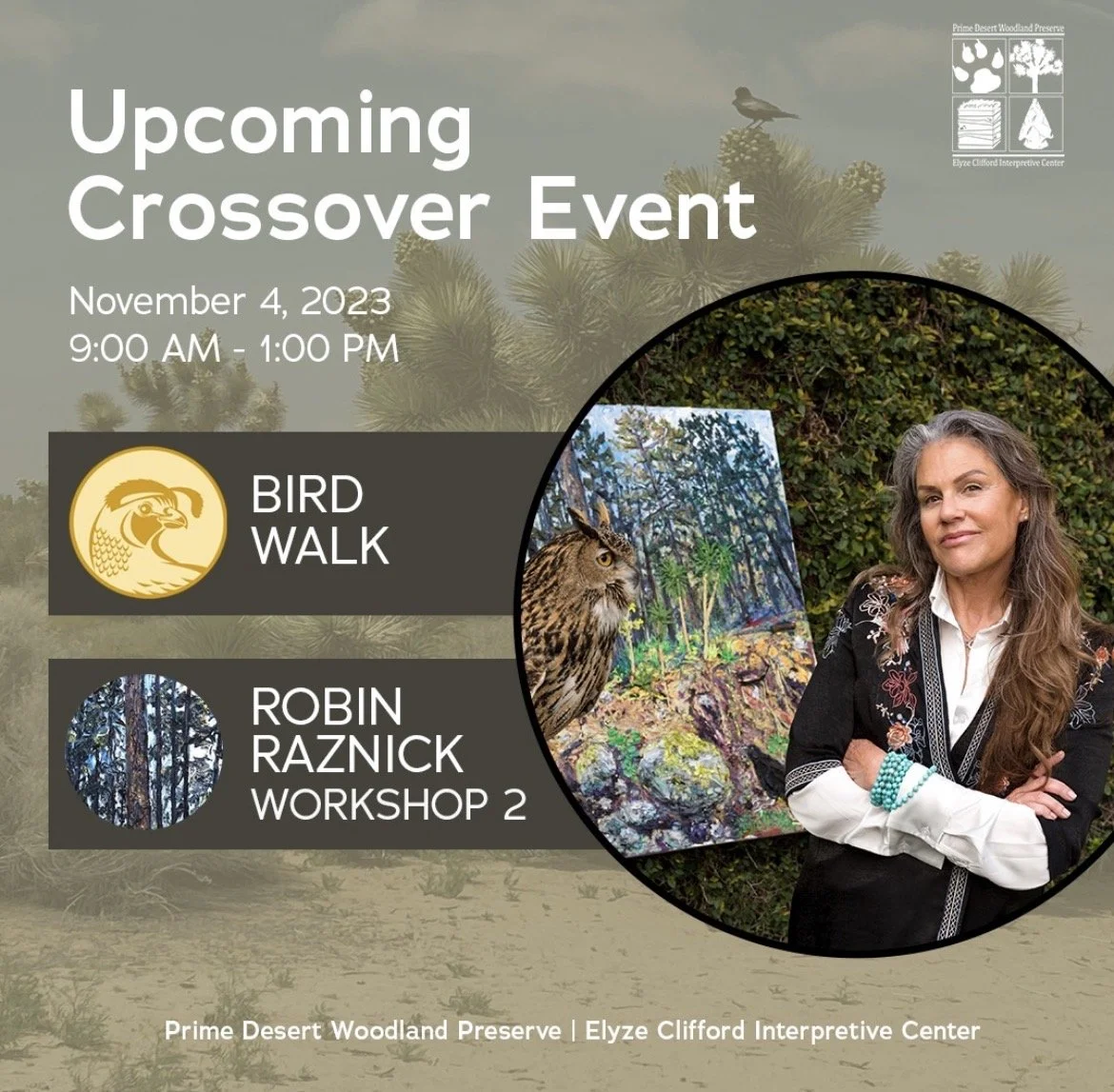
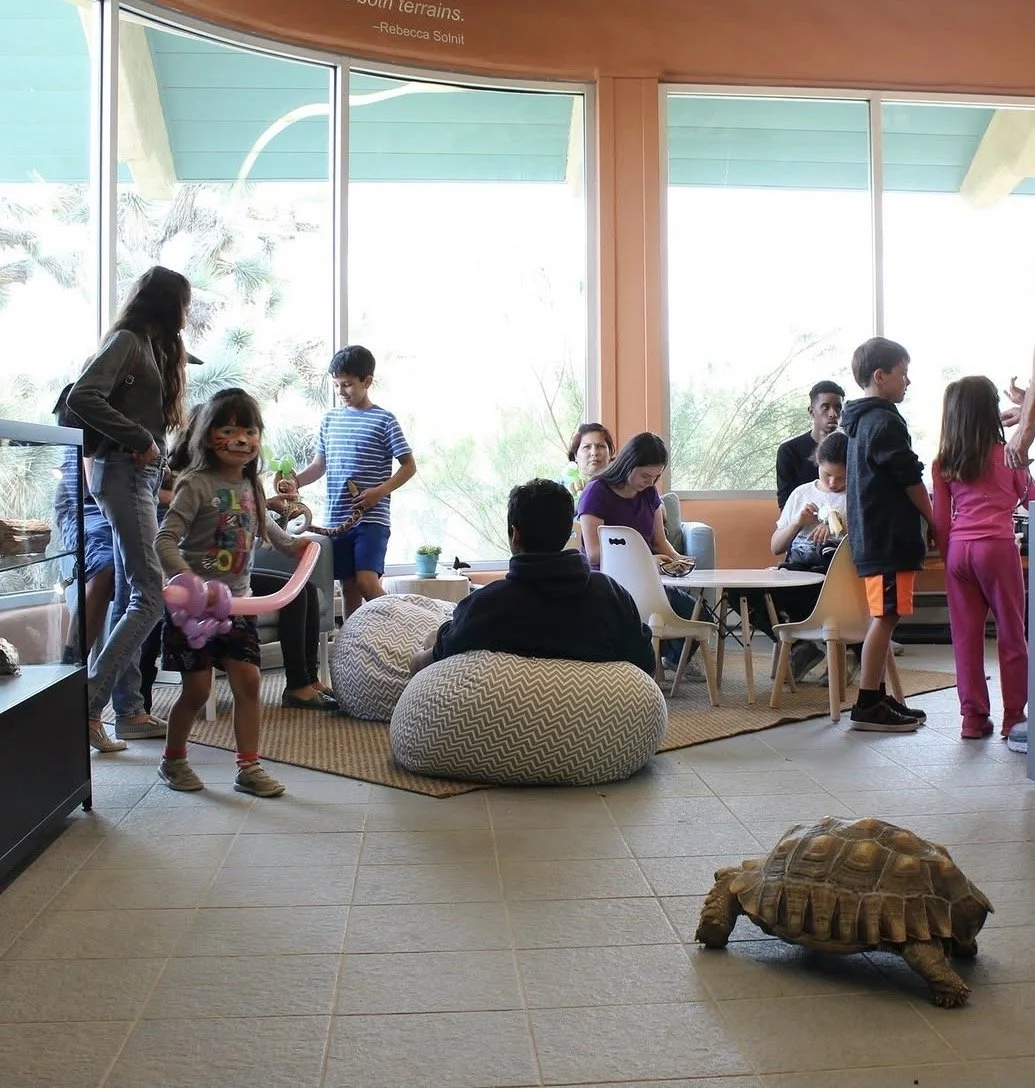
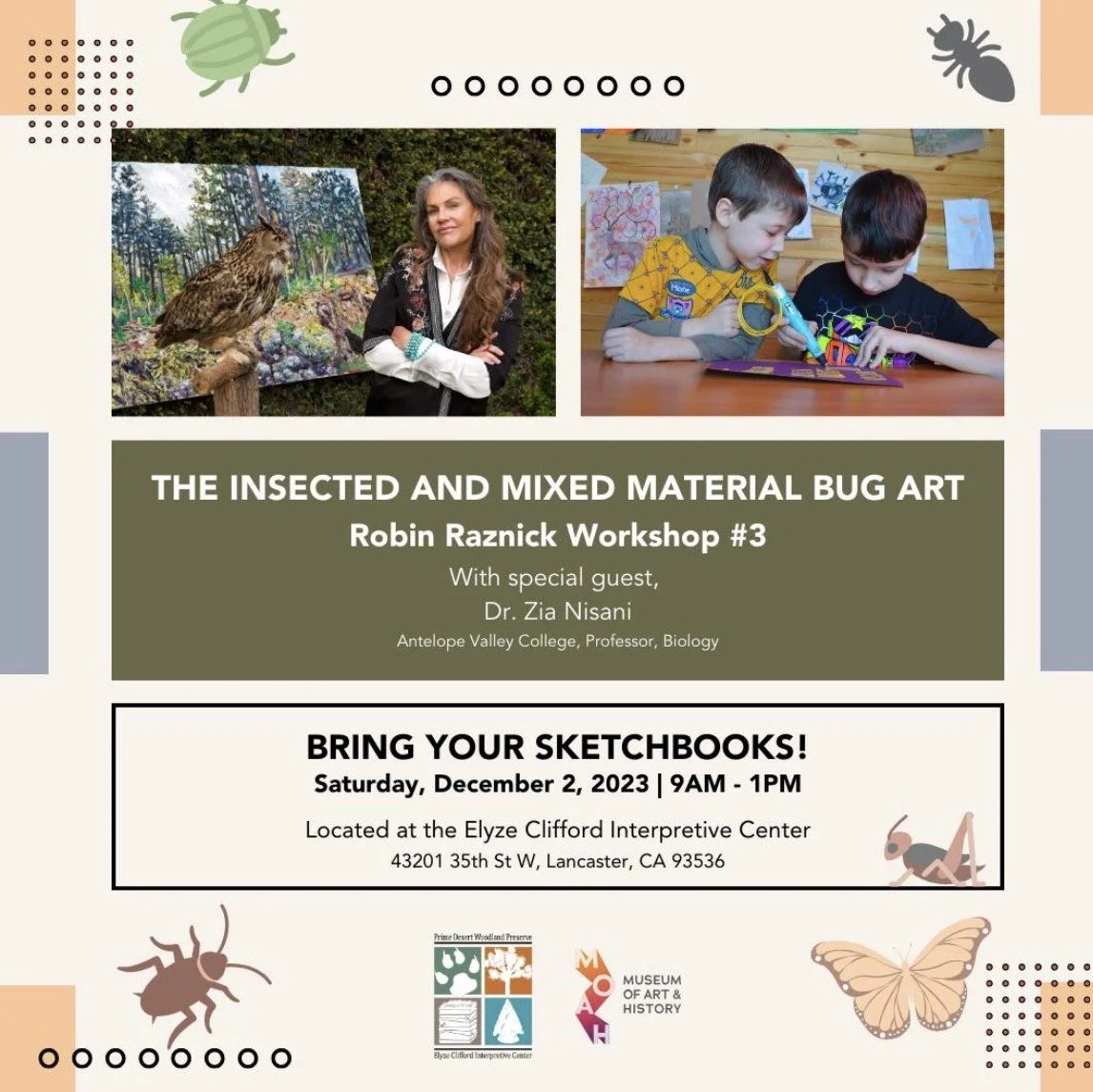
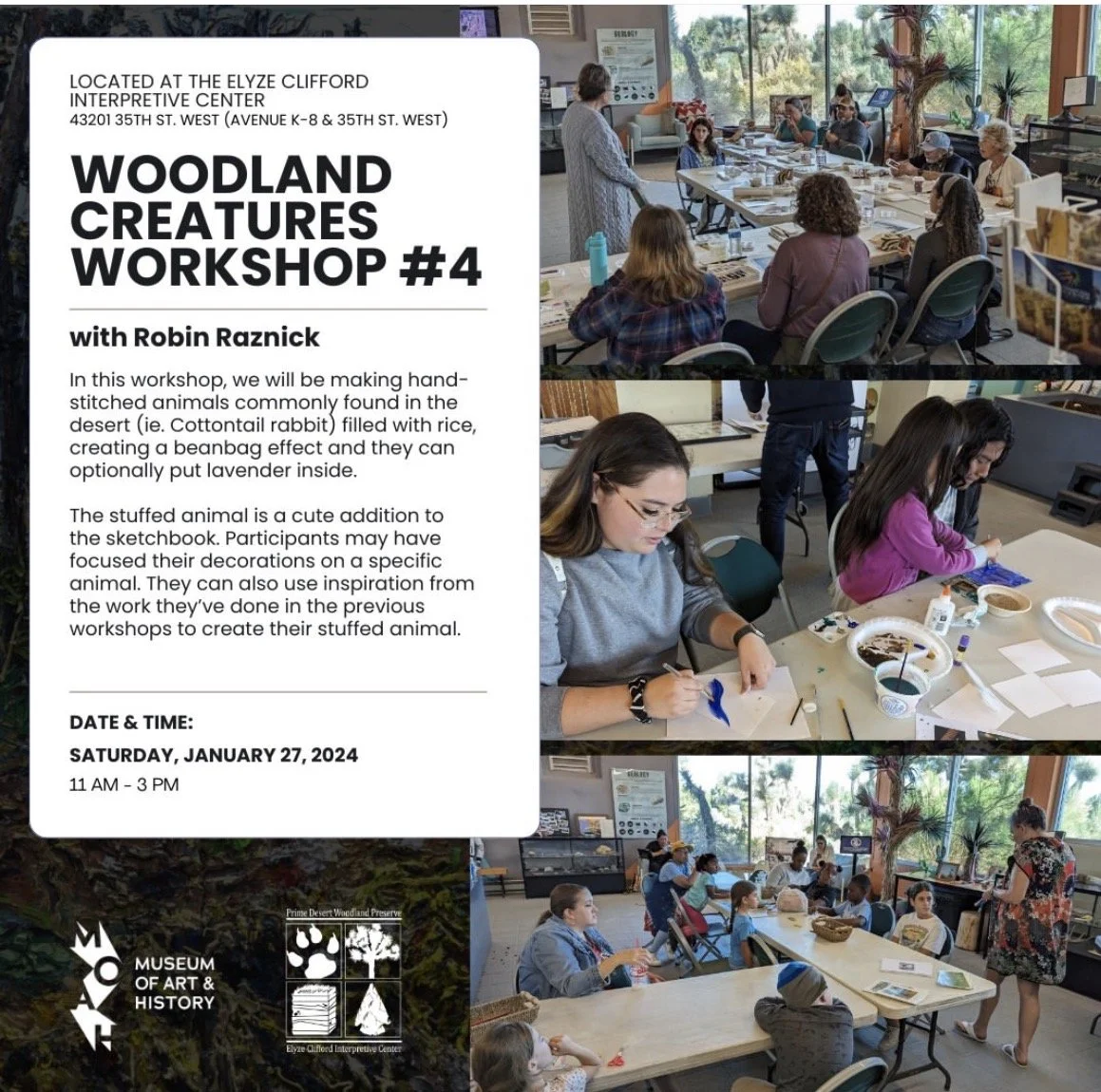
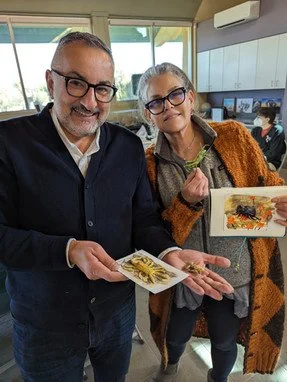
Designed by the Lancaster Museum of Art and History (MOAH), the center thoughtfully explores each of the major areas it has traditionally included — such as fauna, flora, geology, native peoples, and historical figures — while expanding and deepening audience engagement through a more interactive and immersive experience including. Regular workshops inspired by the surrounding landscape, led by knowledgeable facilitators and designed to engage visitors of all ages in creative and educational activities.
Paramount to the preserves philosophy is education and respect of the natural habitats and wildlife, following, Leave No Trace principles, staying on designated trails. In keeping with the Museum and Preserves mission, I designed my residency as a series of 4 workshops where the participants would engage in a presentation from a local expert regarding the flora and fauna of the area, and we would execute an artwork based on the inspirations gained from our experience. For example, we studied the desert turtle, scorpians, the Joshua Tree, birds (the local chapter of the National Audubon Society presented), as well as indigenous bugs and other creatures that support the ecosystem.
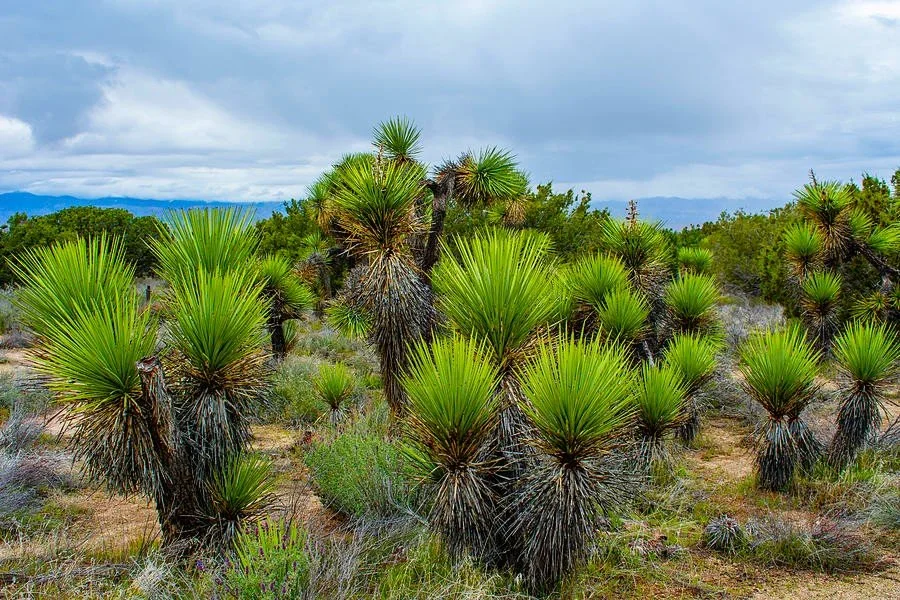
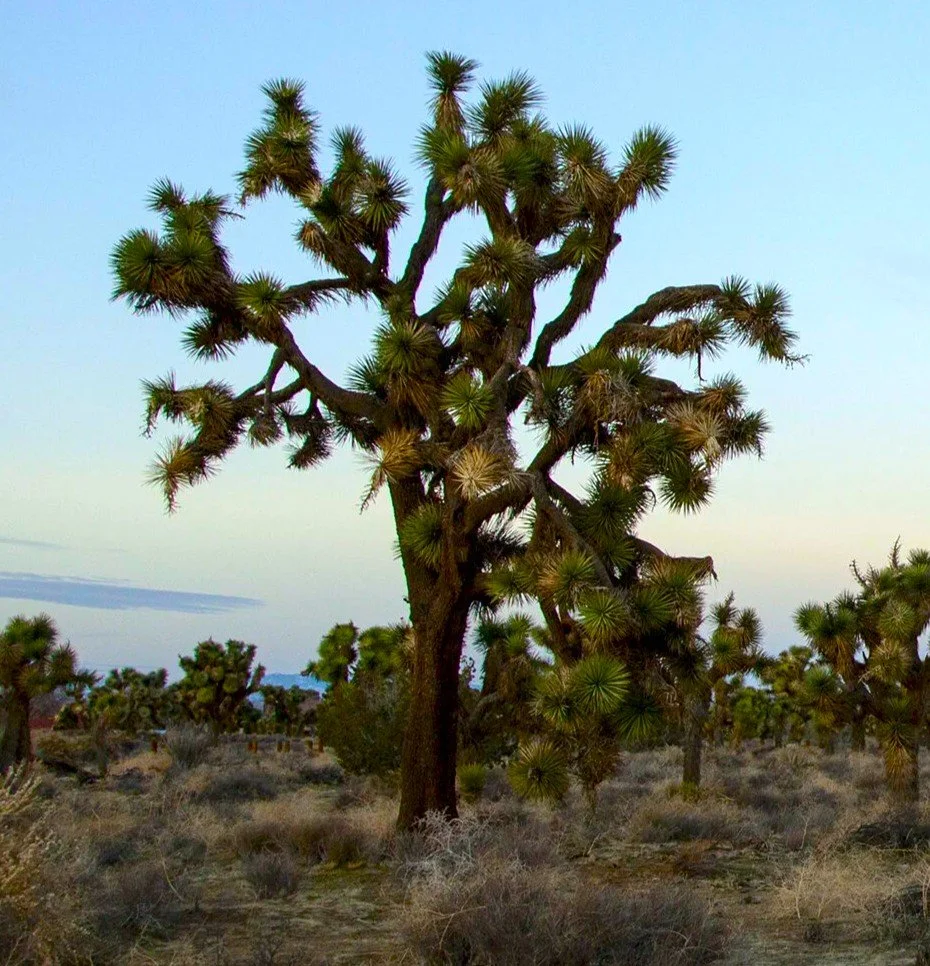
As well, I researched the importance of the Joshua Tree and executed a series of paintings inspired by this magical yucca.
These are the paintings and sculptures created during and just post the Prime Woodland Residency.
The amazing Joshua Tree, not actually a tree but a member of the yucca/ agave family, has been used by indigenous peoples for 1000’s of years to create baskets, sandals and as a food source. It’s unique symbiotic relationship with the yucca moth makes this pland invaluable to our ecosystem. Tourism, climate conditions, and air quality pose a real threat to the longevity and survival of this beauty.
The Black-tailed jackrabbit—what people sometimes call the California desert hare—feels like it was made for the quiet, open stretches of California, especially out in the sunburned spaces of the Mojave Desert and Sonoran Desert. It moves like a flicker—long ears tipped in black catching the light, dusty brown-gray fur blending into the land like it belongs there more than anything else. When it runs, it doesn’t just flee—it zig-zags, almost playfully, hitting speeds up to 40 miles per hour as if it’s dancing with whatever’s chasing it.
The Desert tortoise moves through the deserts of California—especially the wide, quiet reaches of the Mojave Desert and Sonoran Desert—like a slow, deliberate thought. Low to the ground, wrapped in a domed, earth-toned shell, it feels less like an animal passing through and more like something the desert itself shaped and kept. It doesn’t rush; it can’t. Instead, it survives by knowing when not to move at all, spending most of its life tucked away in cool burrows, hidden from the punishing sun. There’s a quiet resilience to it—living decades in a place that seems built to erase things.
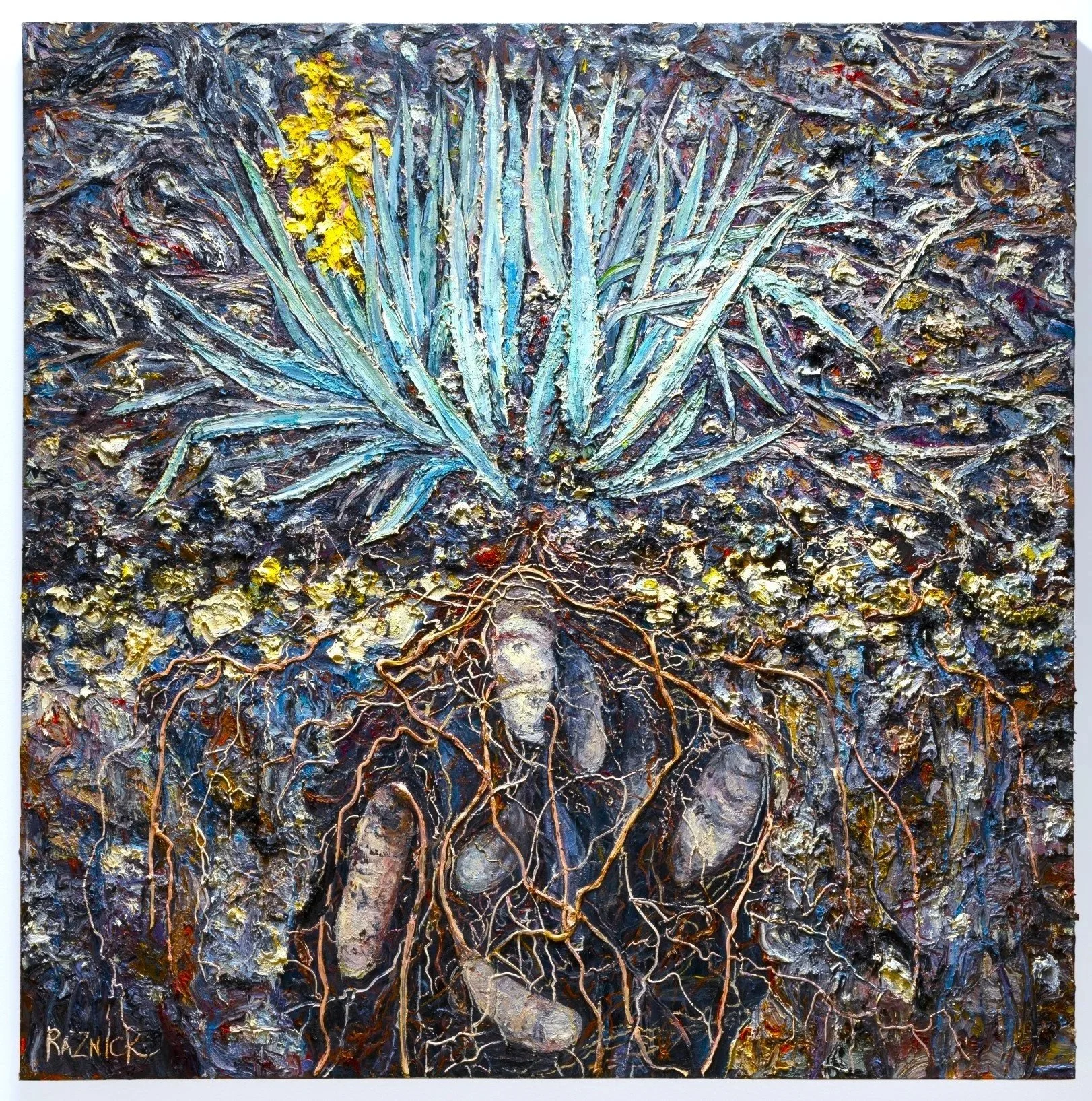
Secrets, Oil, Desert Soil, Lizard, Metallics on Canvas, 60 x 60 Inches
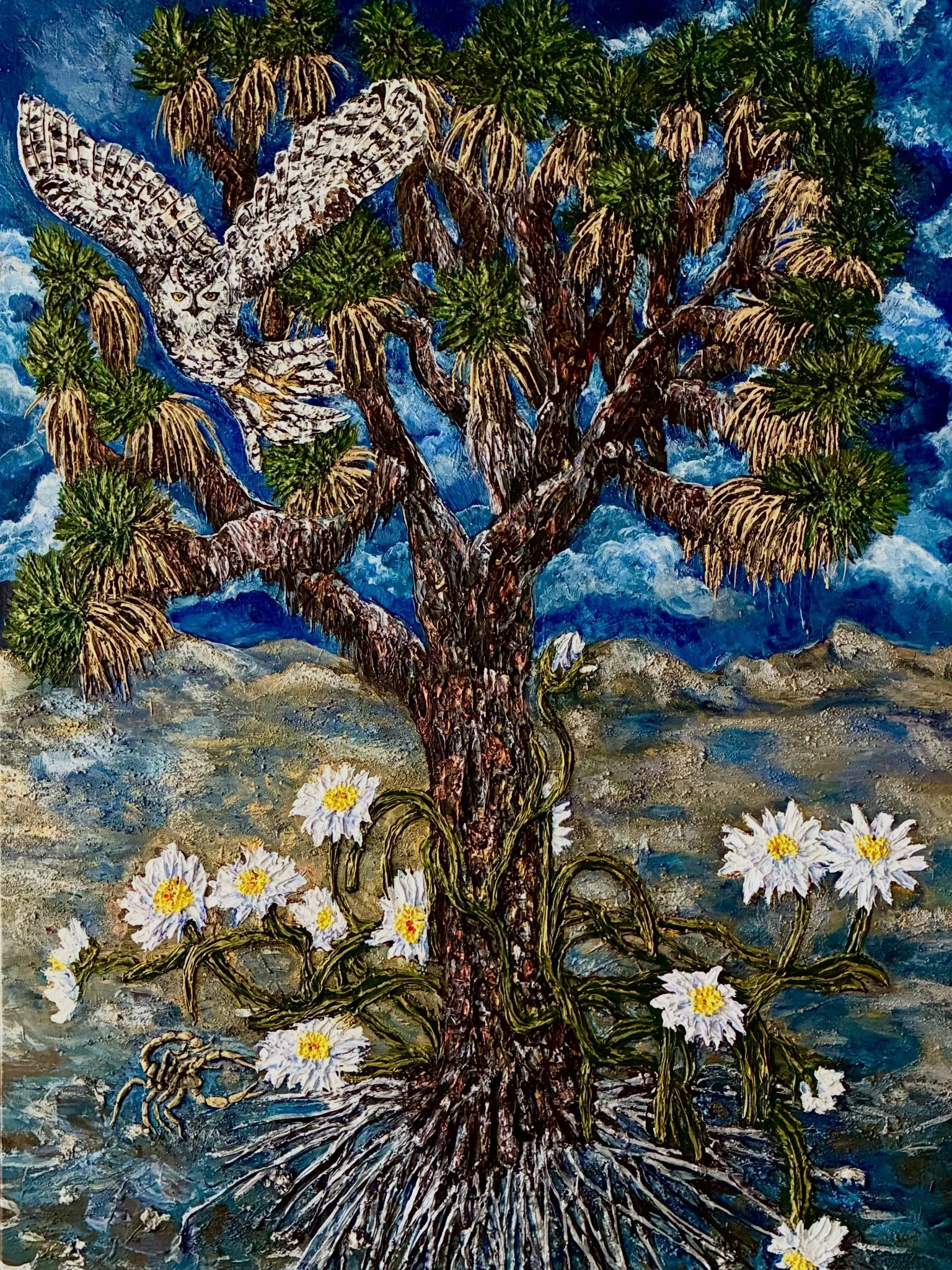
Night Queen, Acrylic, Desert Soil, Metallics on Canvas, 76 x 54 Inches
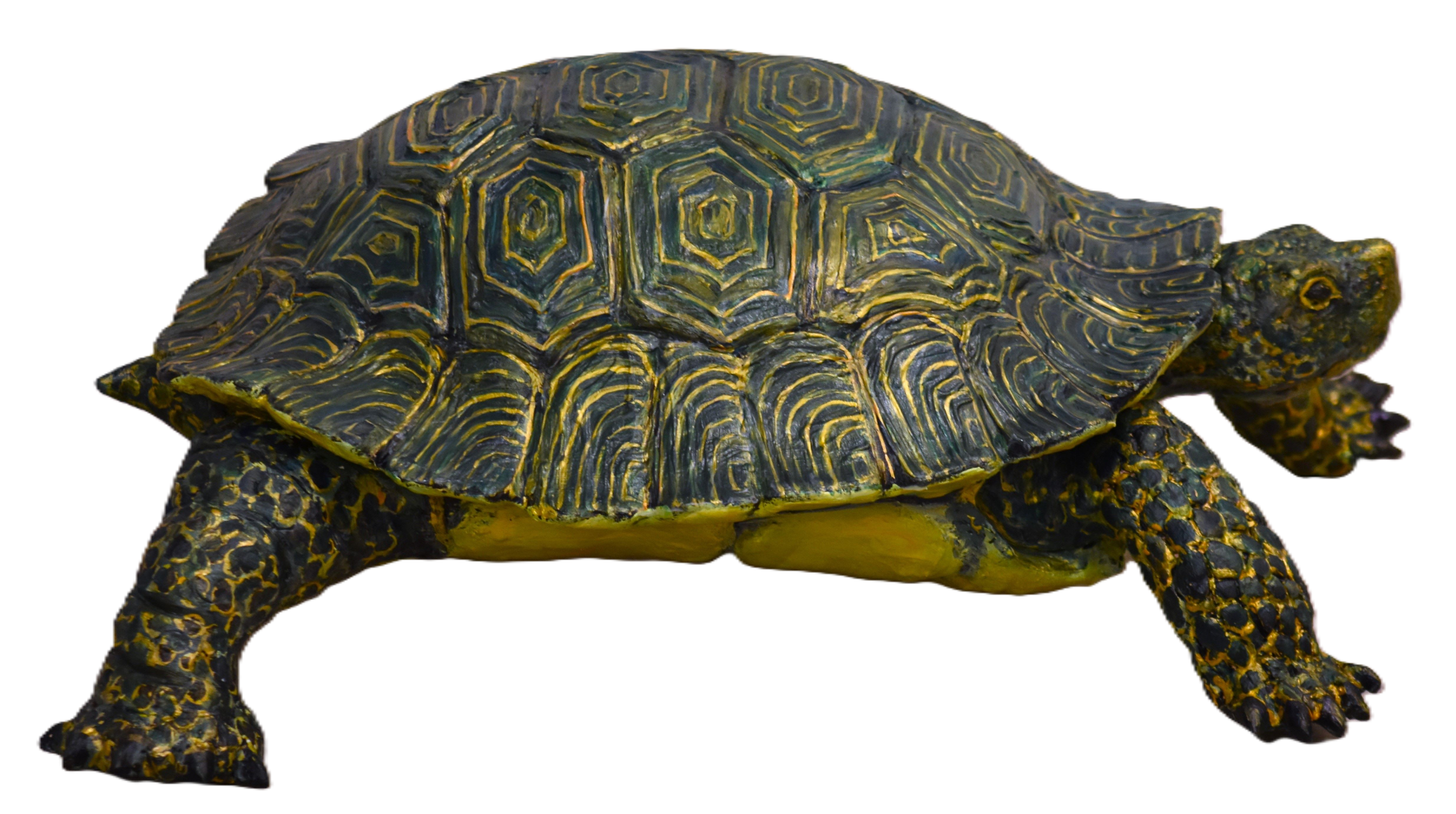
Speedy, Ceramic, Acrylic, and Metallics, 9 x 20 x 19 Inches

The Moth, the Hare, and the Sun, Oil on Fabric on Canvas, 24 x 24 Inches