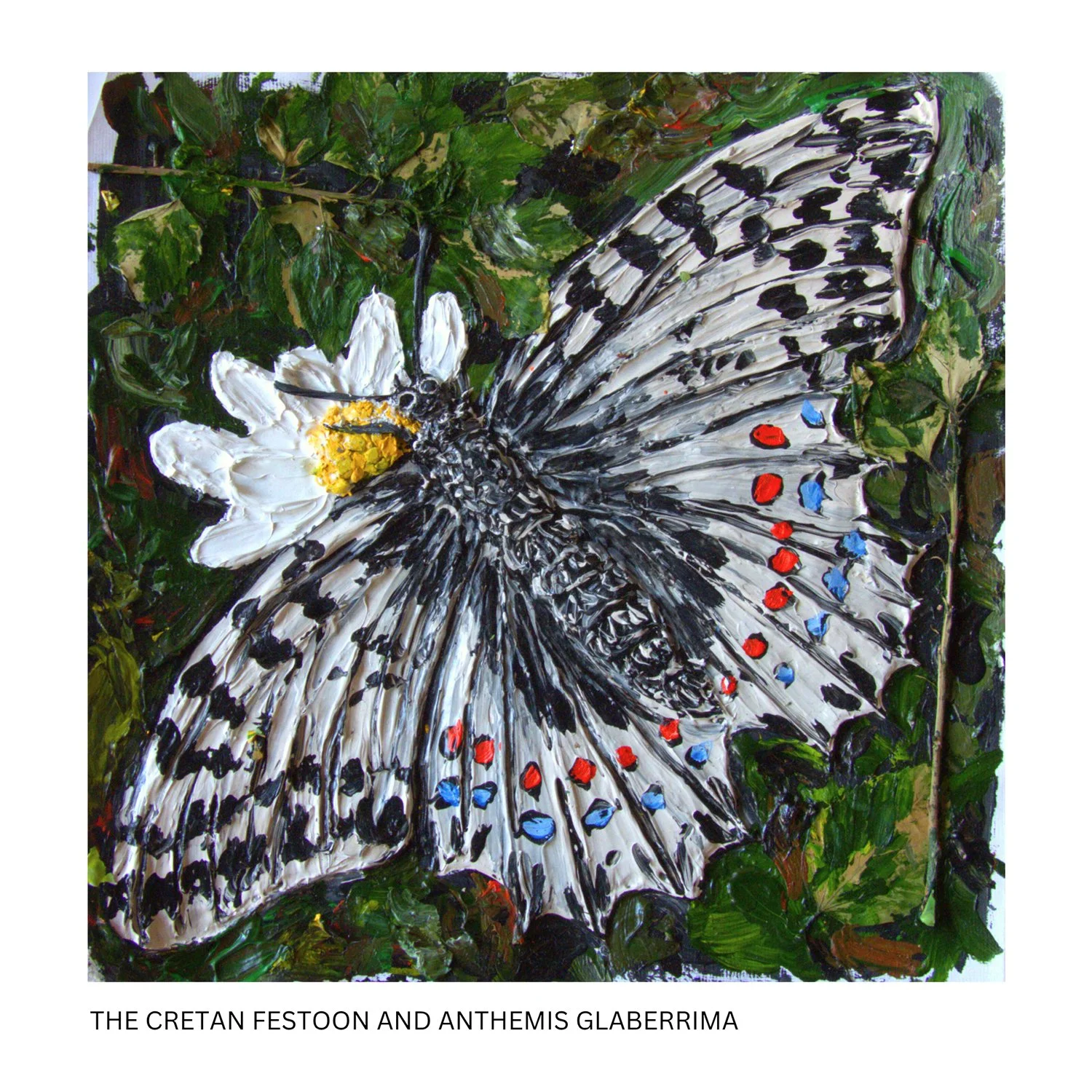
Mudhouse Residency
Agios Ioannis, Crete
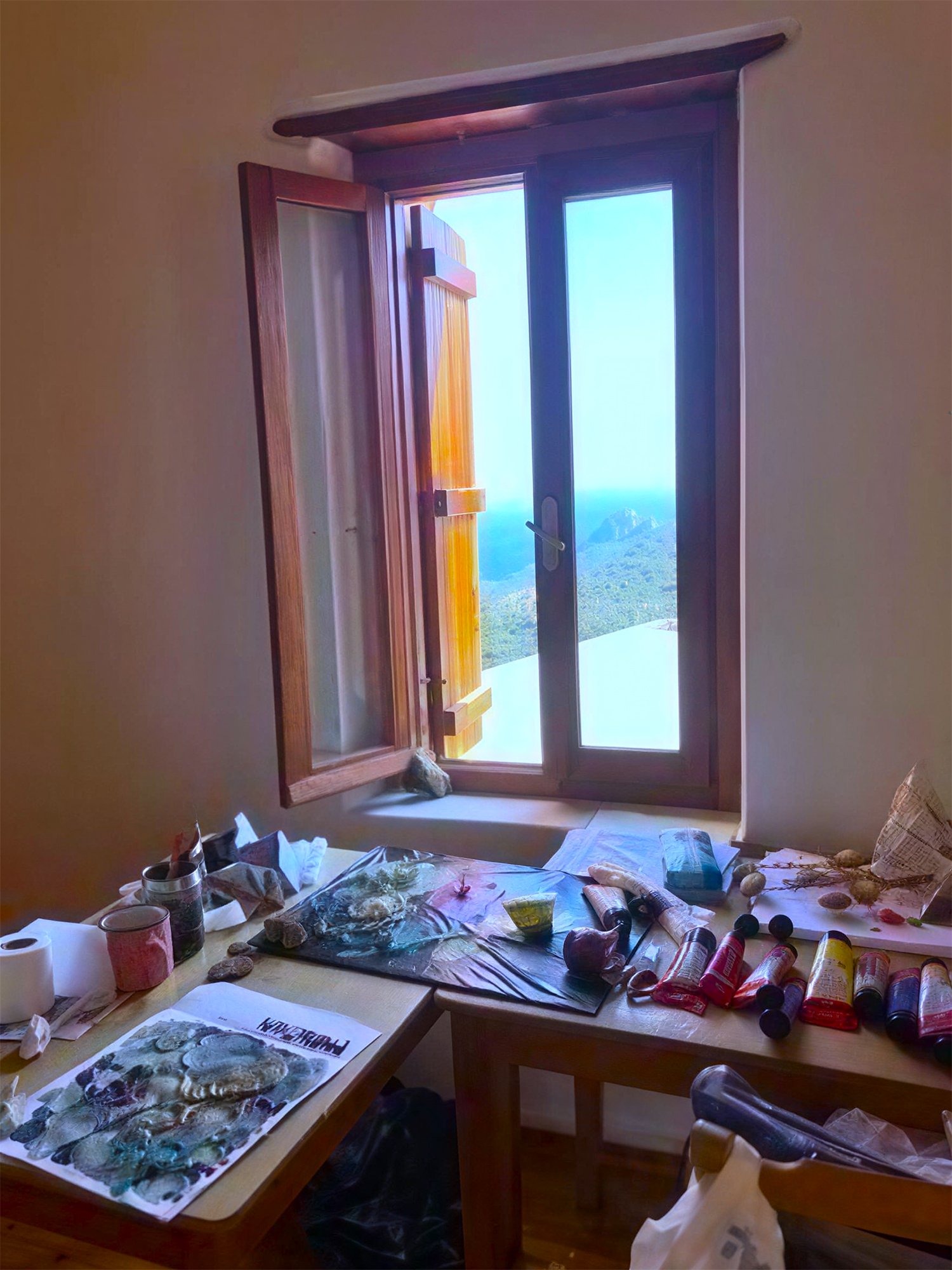
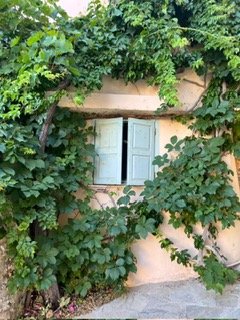
The village of Agios Ioannis, located on the southern side of the Greek island of Crete, dates back to the 15th century. In the 1980’s, when irrigation systems brought fresh water from the mountains to the coast, the village became largely uninhabited and many of the stone and mud structures fell into ruin. The Mudhouse is unique among the homes in the village, as a renovated structure utilizing traditional Cretan construction methods.
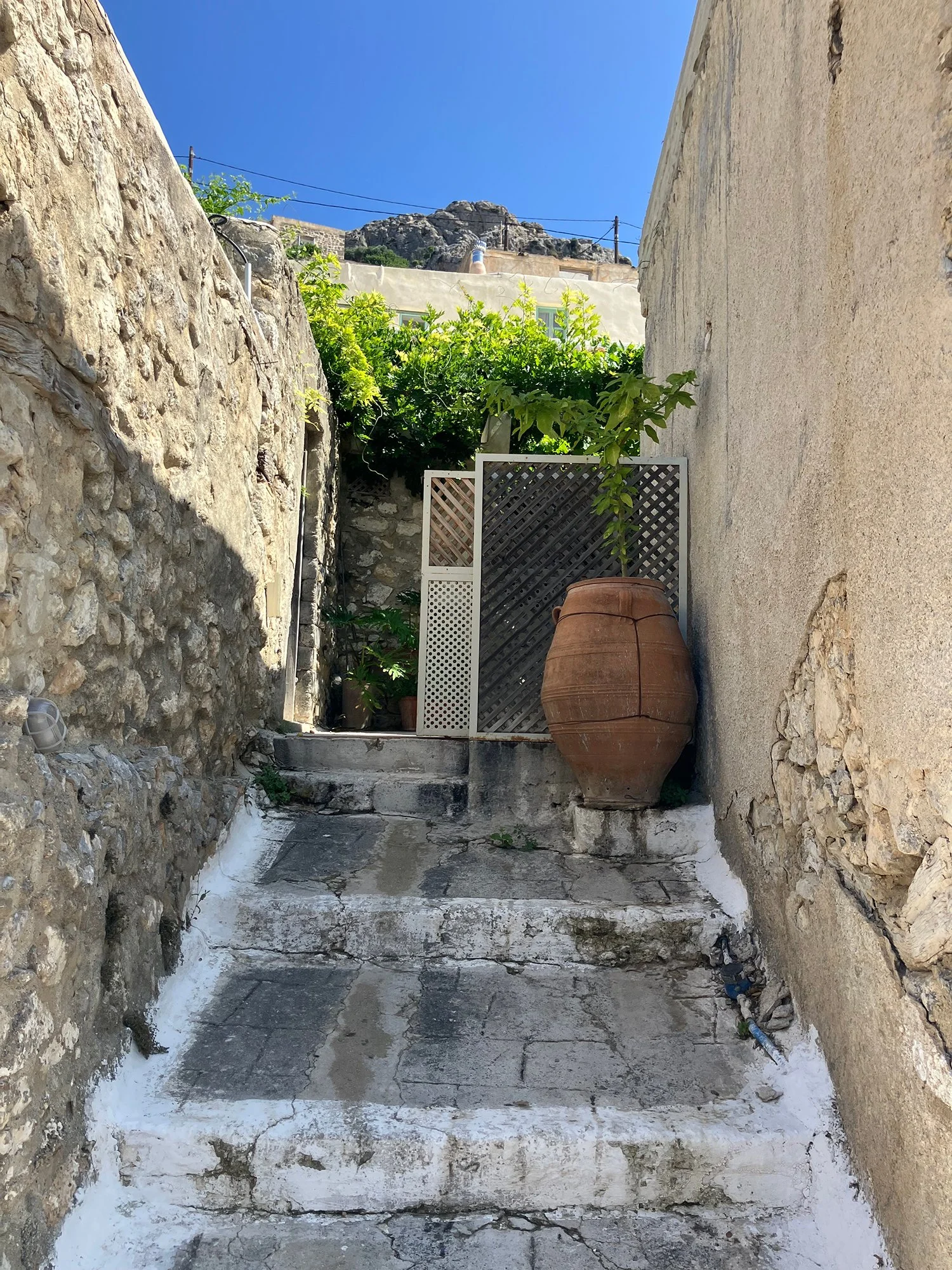
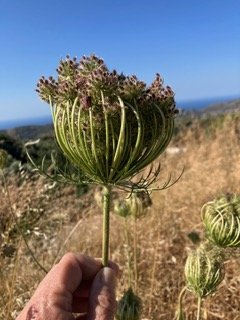
Crete is renowned for its natural beauty, rich culture, and illustrious history, and also harbors one of Europe’s most remarkable concentrations of biodiversity. Despite its modest size, the island is considered an ecological hotspot due to its prolonged geographical isolation and exceptionally varied terrain. Predominantly mountainous, yet bordered by an extensive coastline, Crete encompasses a wide array of habitats, including rare palm forests. These ecosystems sustain a vast number of rare and endemic species, attracting scientists, botanists, nature enthusiasts, and artists from around the worlds. Recognized by the International Union for Conservation of Nature as a Global Centre of Plant Diversity, Crete hosts approximately 1,800 plant species and subspecies, surpassing the 1,450 species found in Britain, an area 35 times larger. Notably, around 180 of these species, or roughly 10%, are endemic to Crete, existing nowhere else on Earth.
Nature played a central role in Minoan civilization. The Minoans worshipped deities linked to the Earth, animal, and vegetation, reflecting their deep respect for natural forces. Their art, architecture, and religious practices were filled with symbols of nature, flowers, marine life, birds, and sacred trees. Living on the fertile and biodiverse island of Crete, they developed a culture that celebrated harmony with the environment rather than dominance over it.
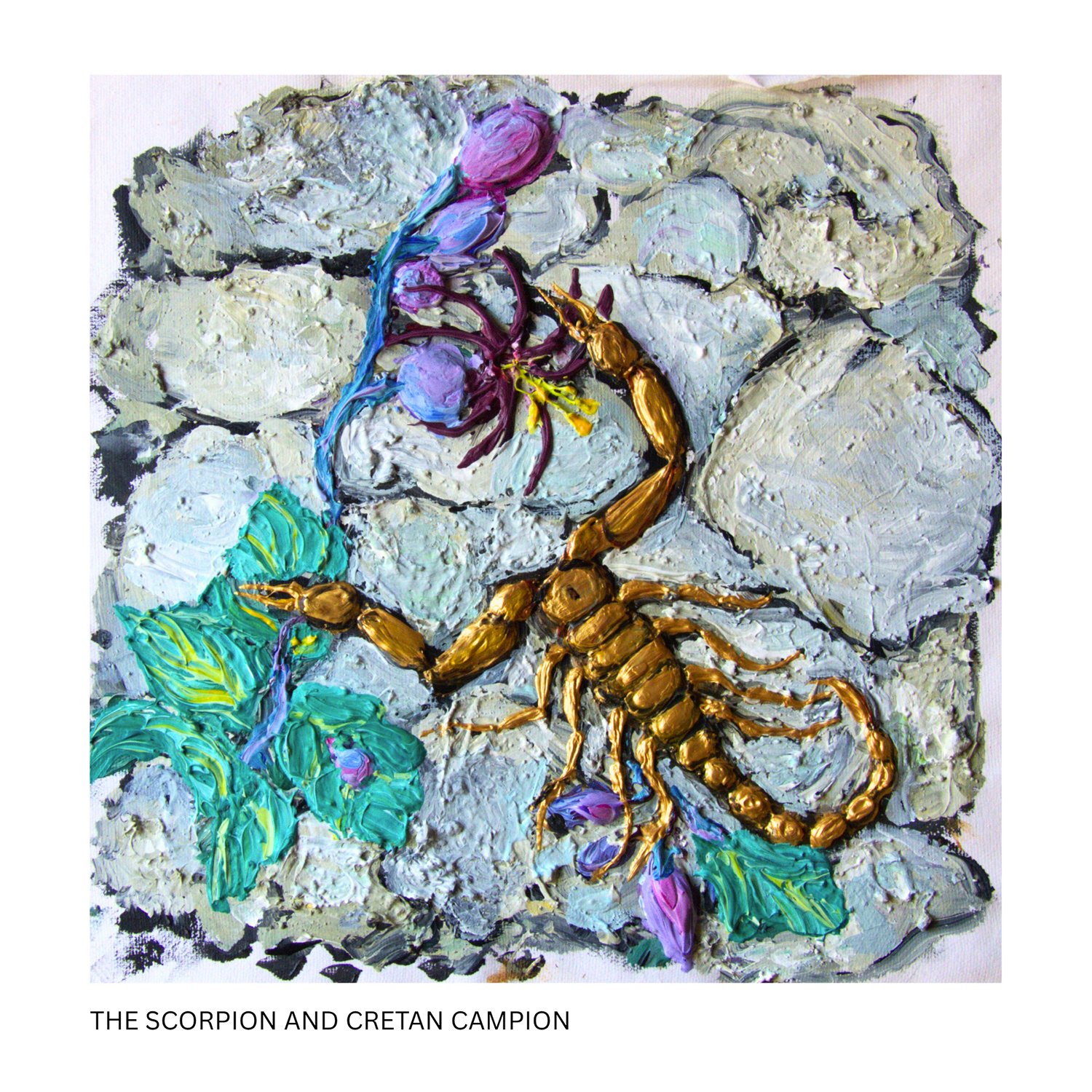
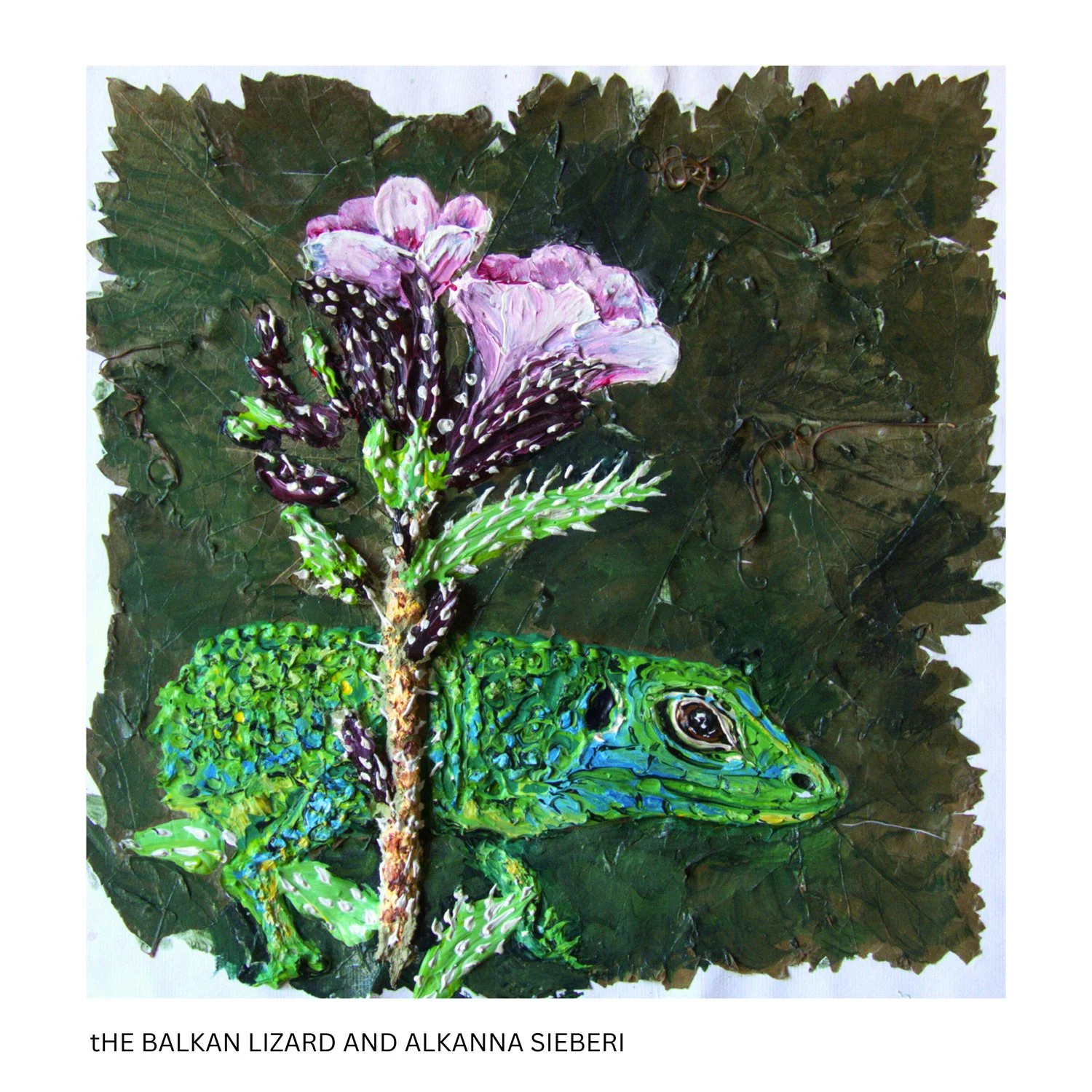
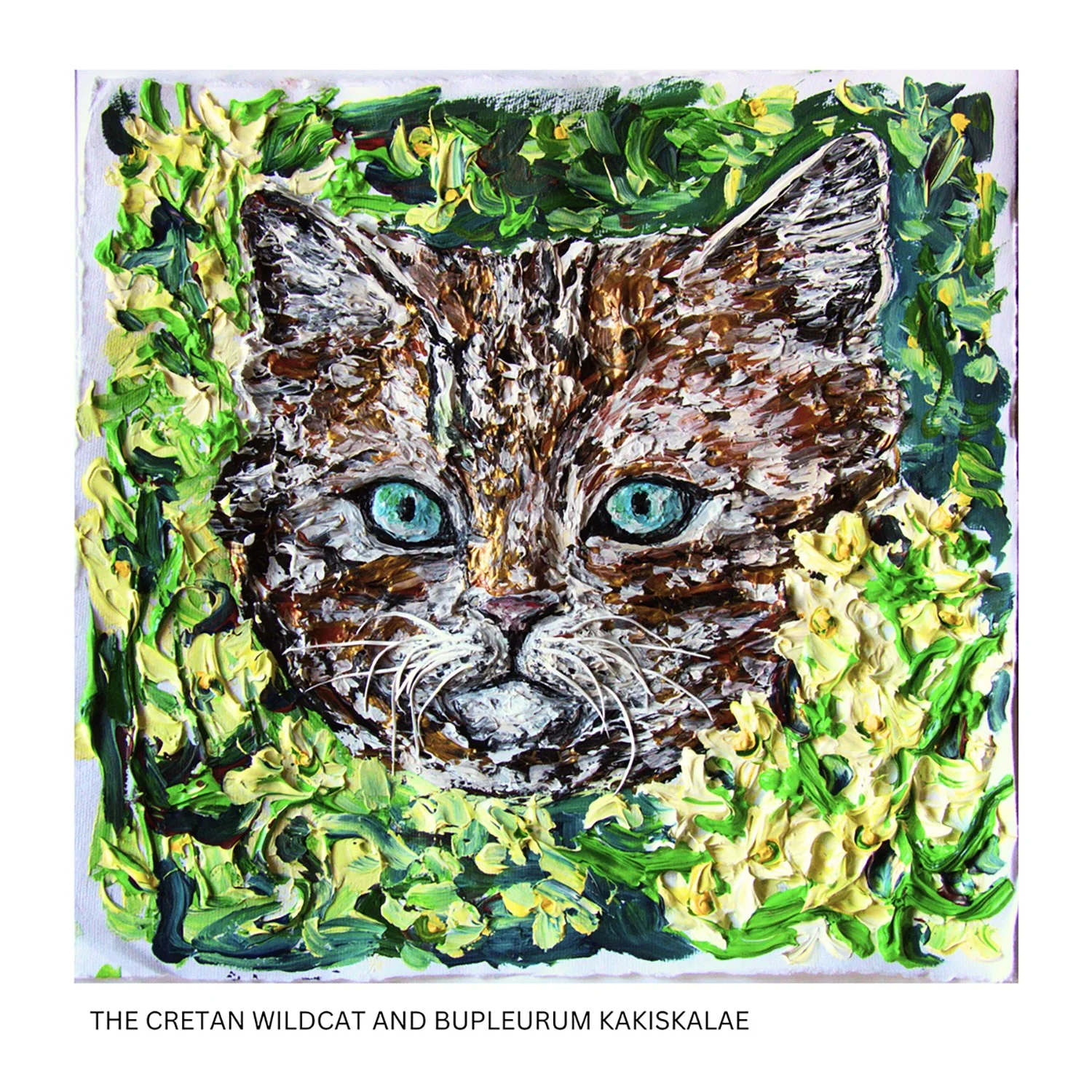
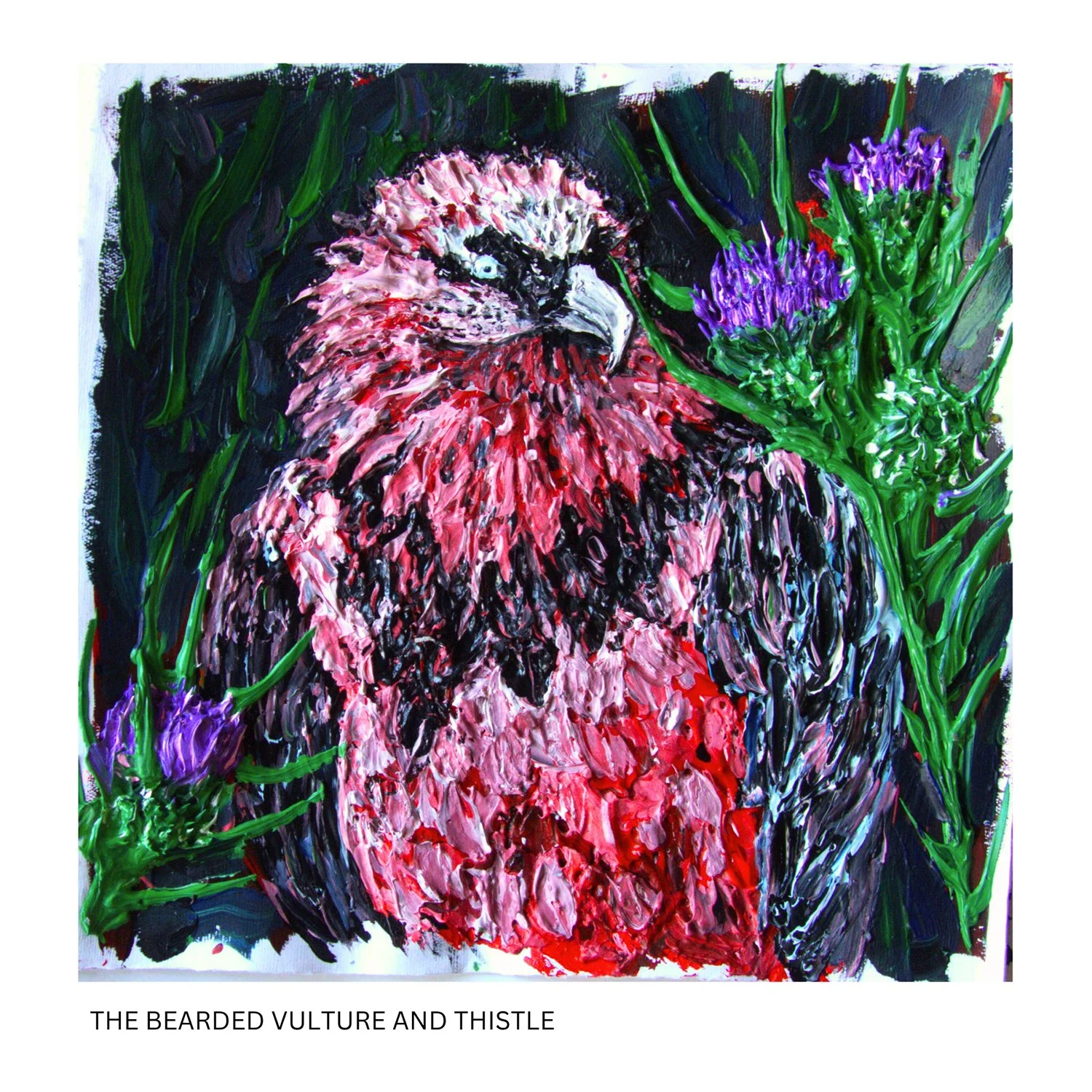
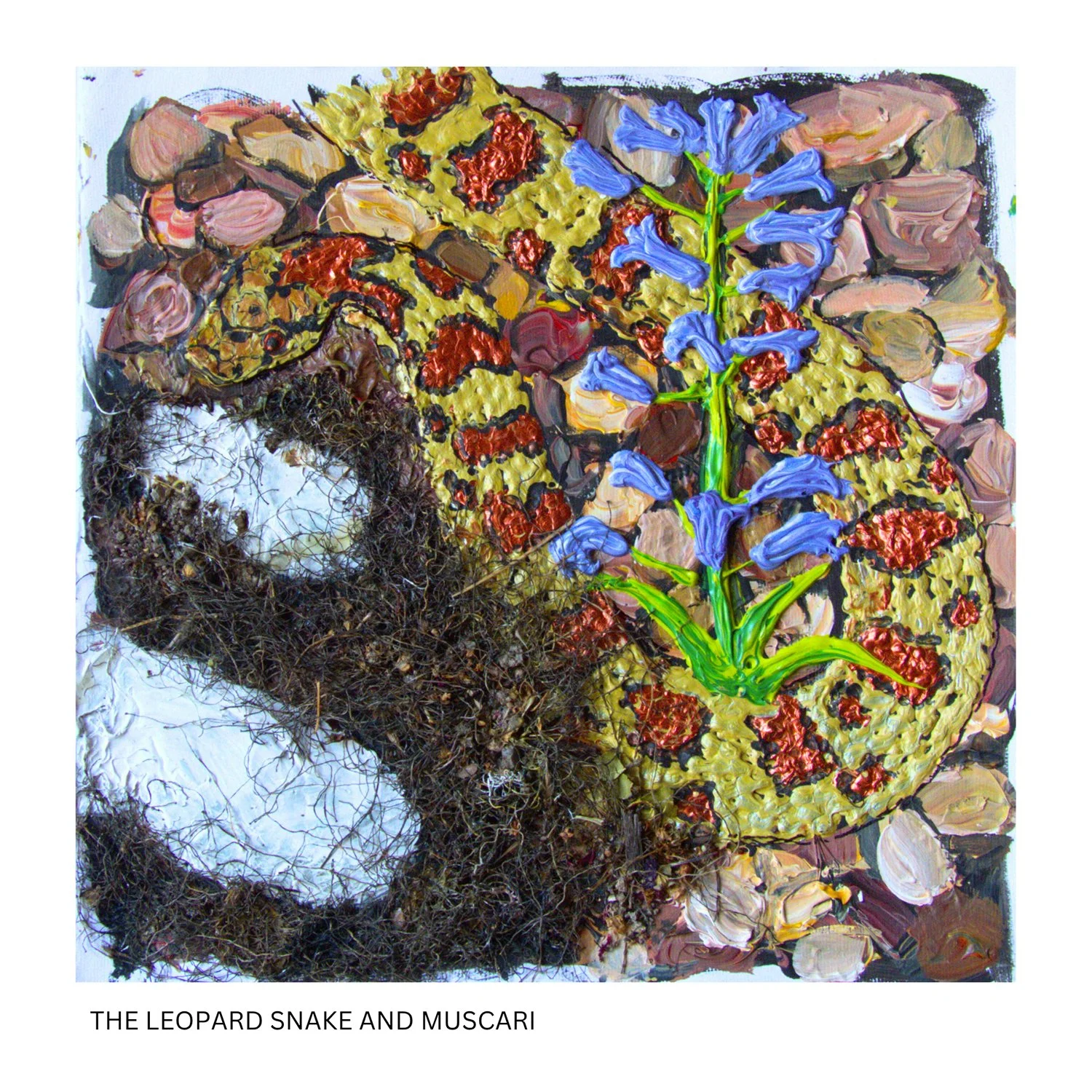
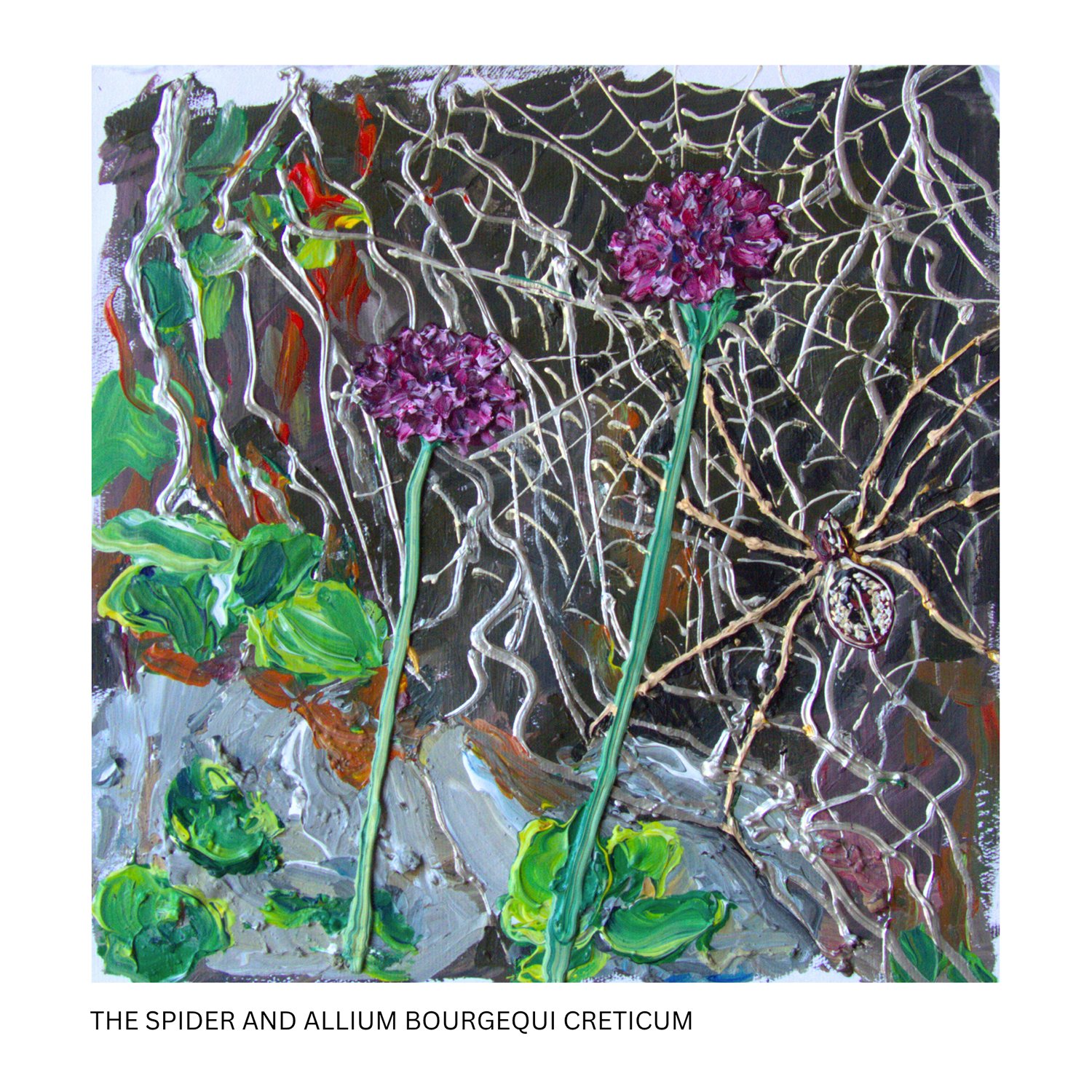
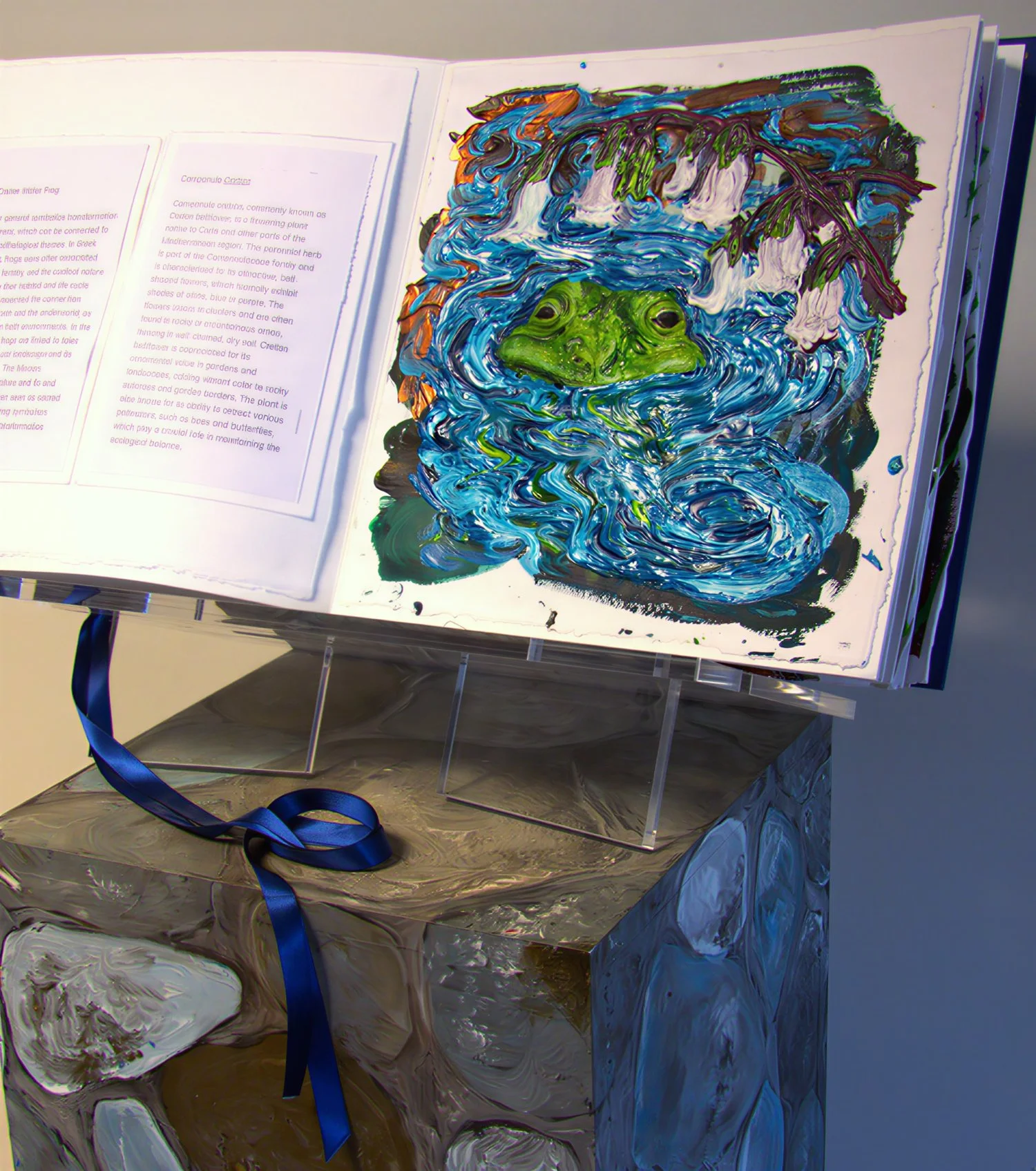
I believe nature is the source of true knowledge and a vital catalyst for human creativity and healing. As a painter and sculptor, my work is rooted in close observation of the natural world–its forms, systems, and interdependence. I incorporate organic materials like soil, roots, rocks, leaves, bugs, and fur directly into my surfaces, allowing the earth itself to be both medium and message.
This work explores these natural spaces–past and present–investigating the visible and invisible life forms that inhabit them. Through this work, I aim to reflect the intricate connections between nature, memory, and place.
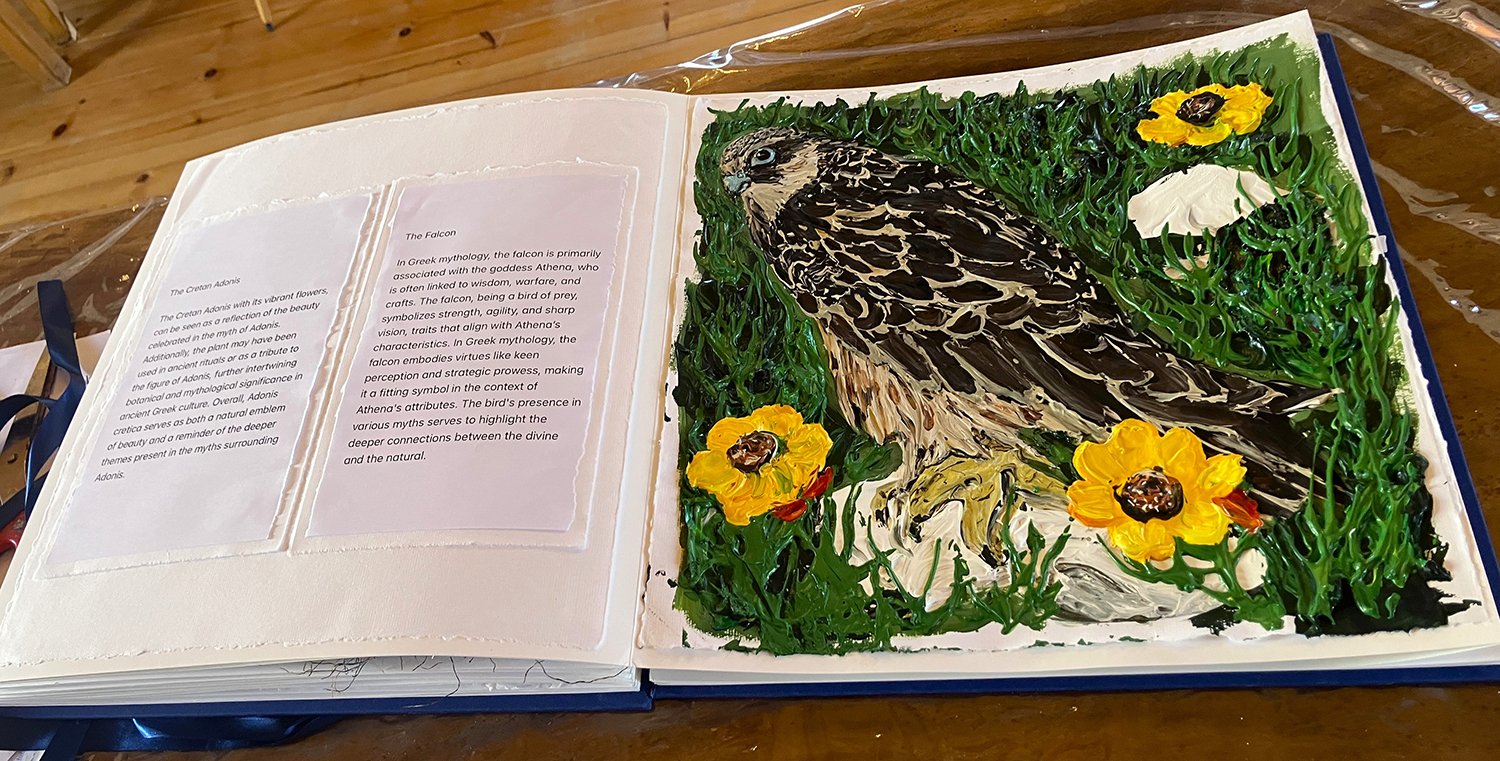
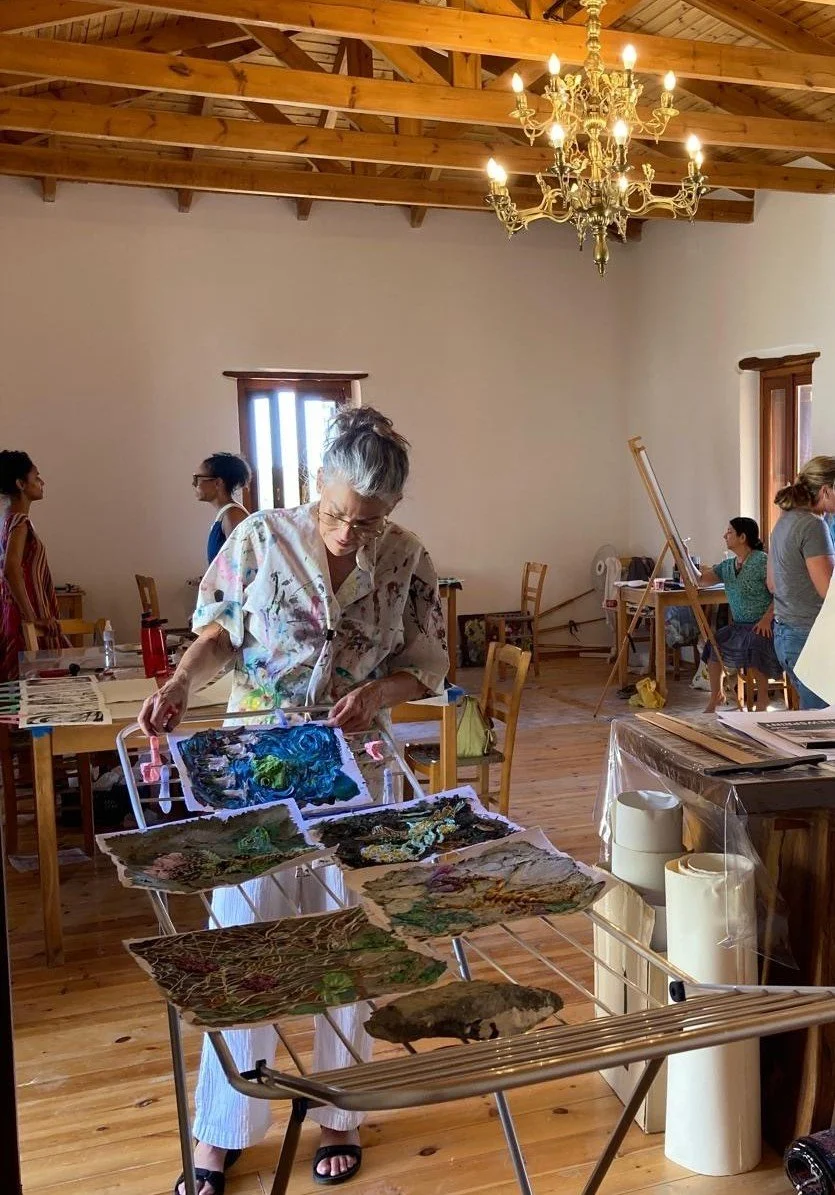
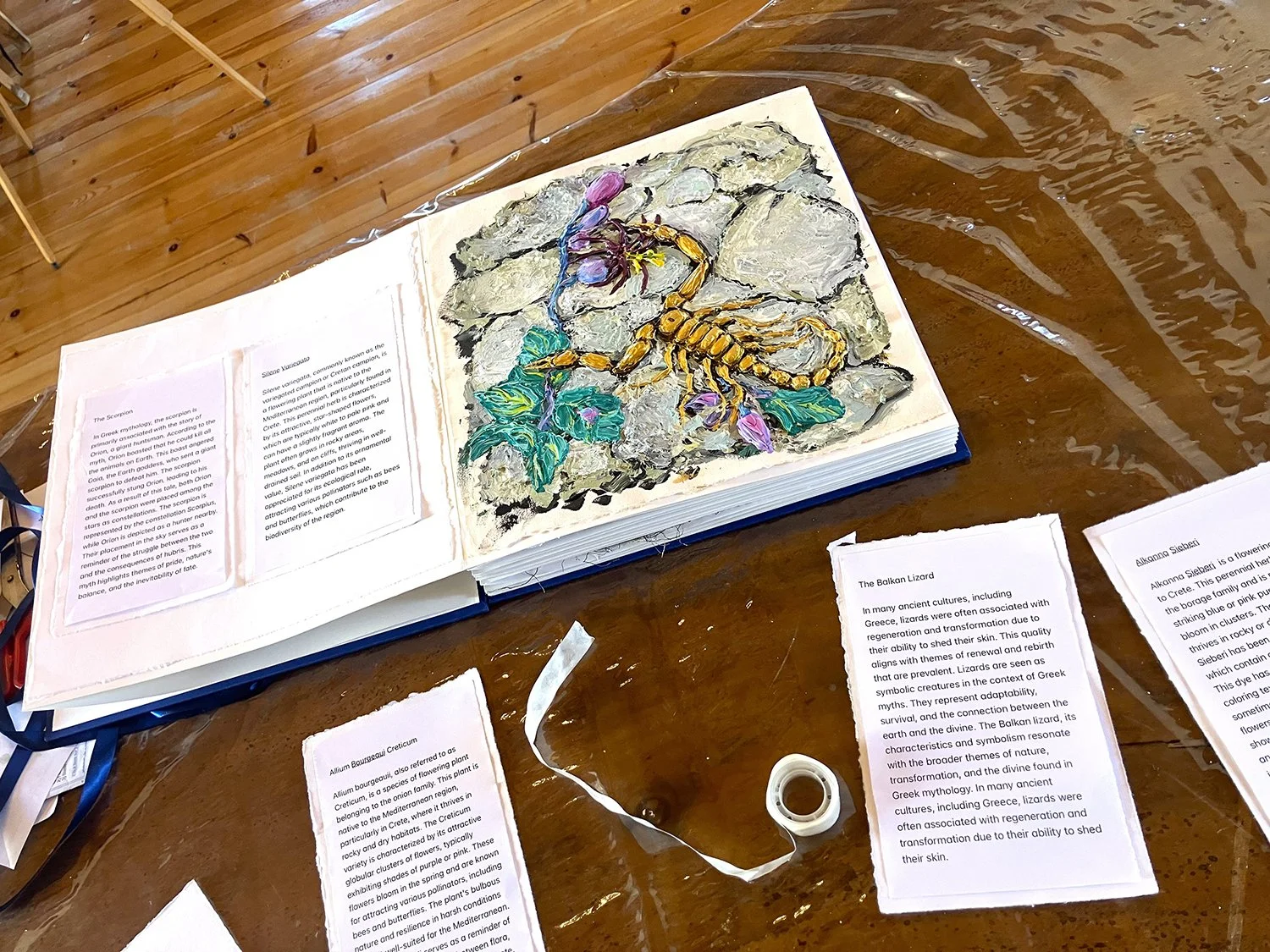
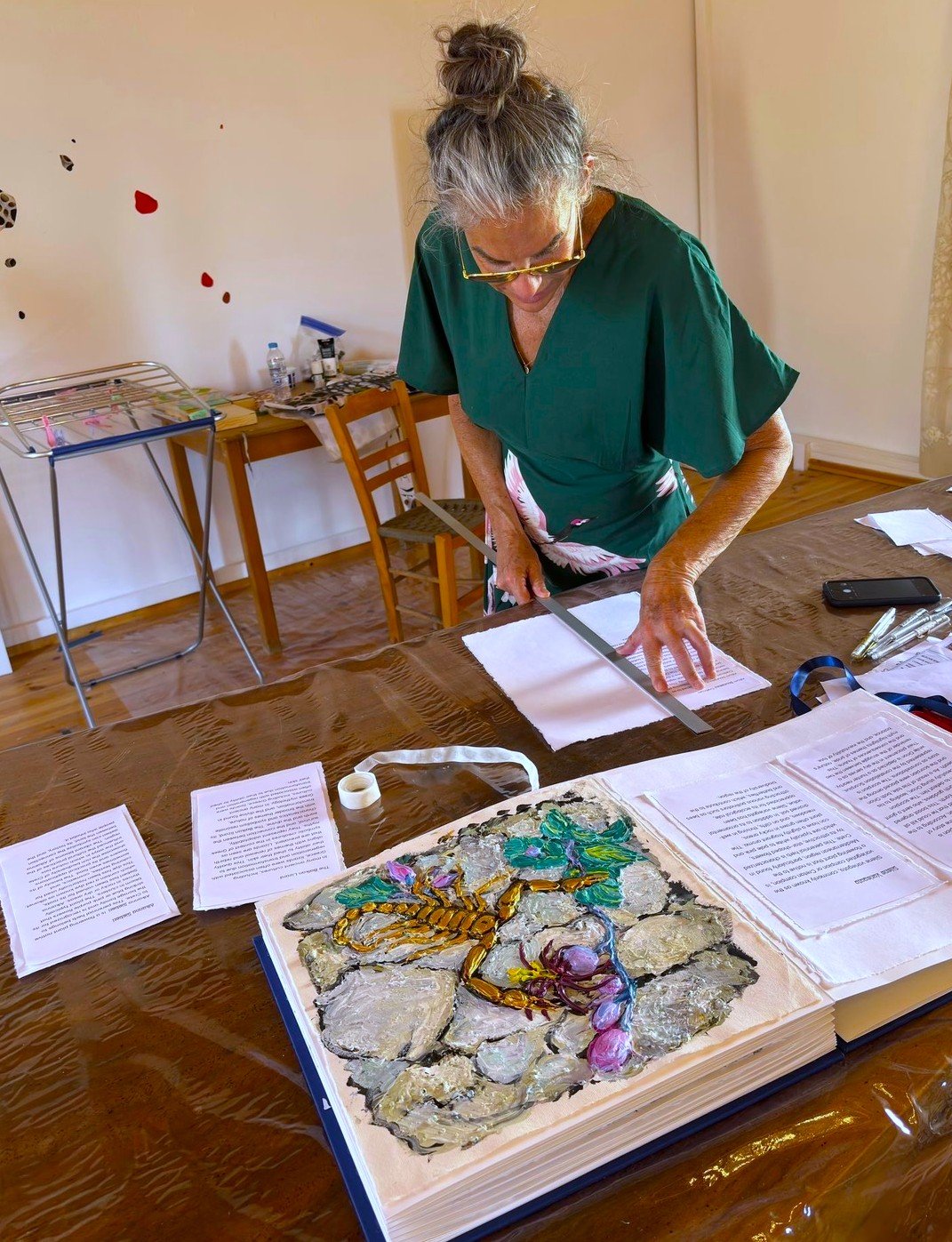
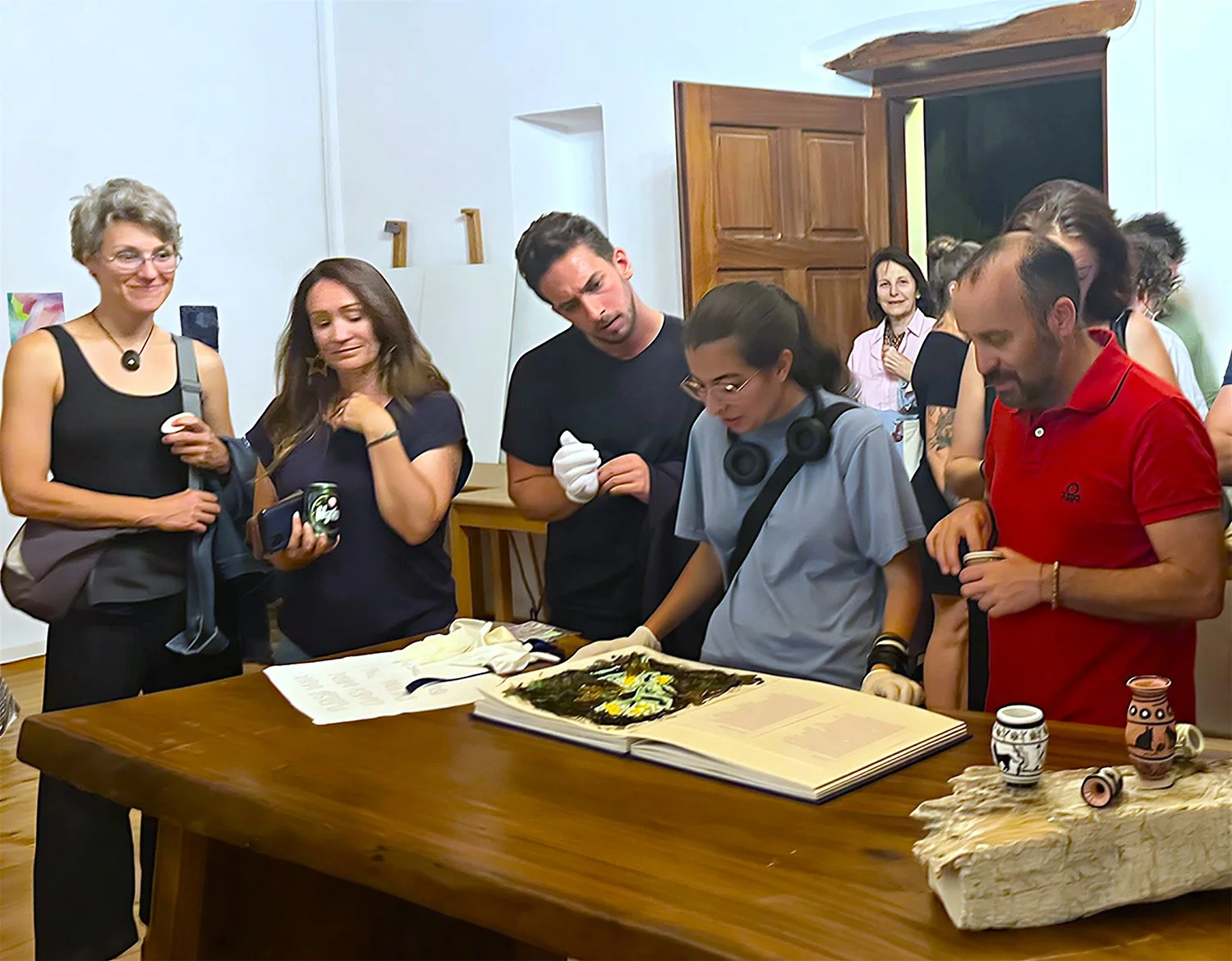
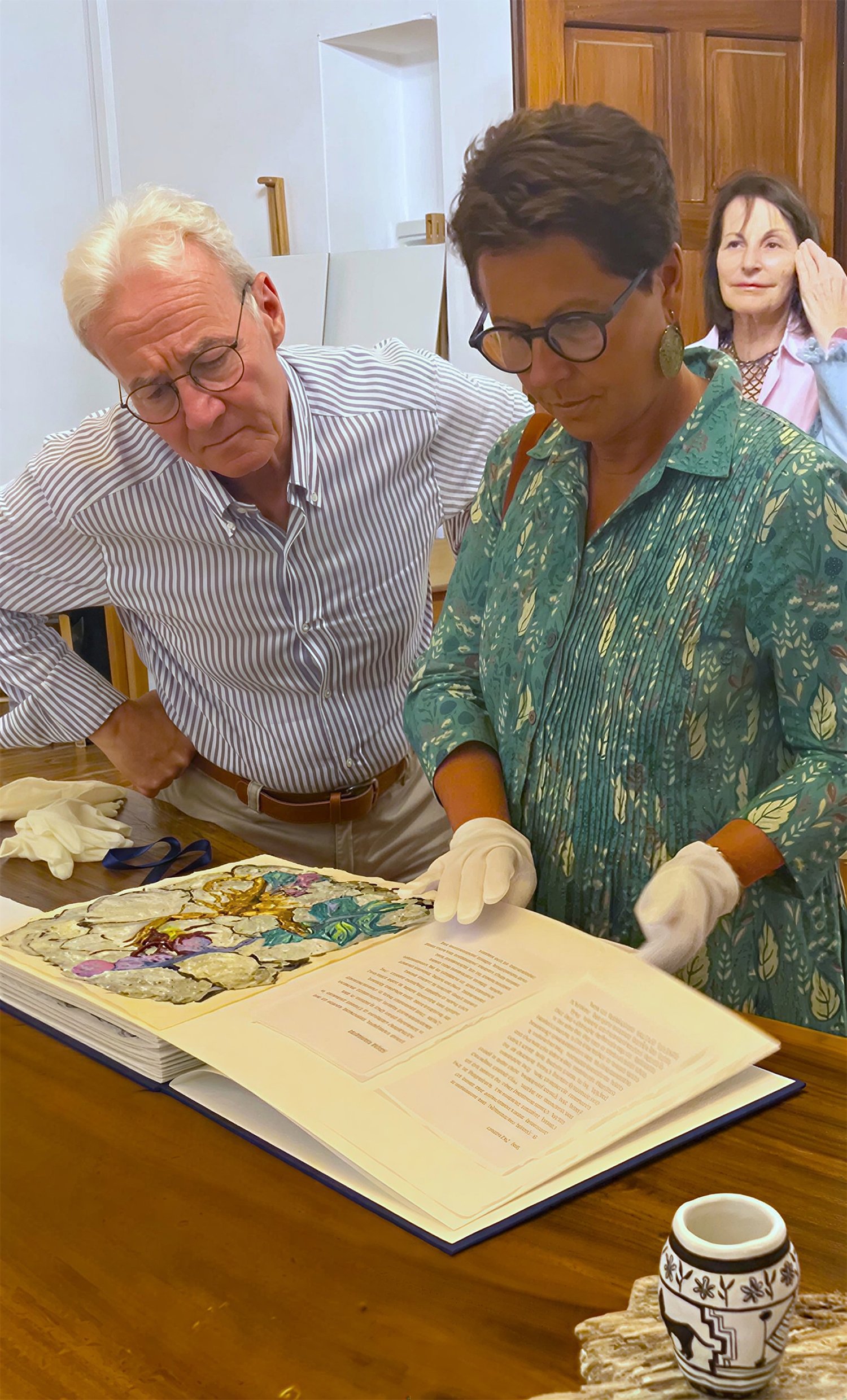
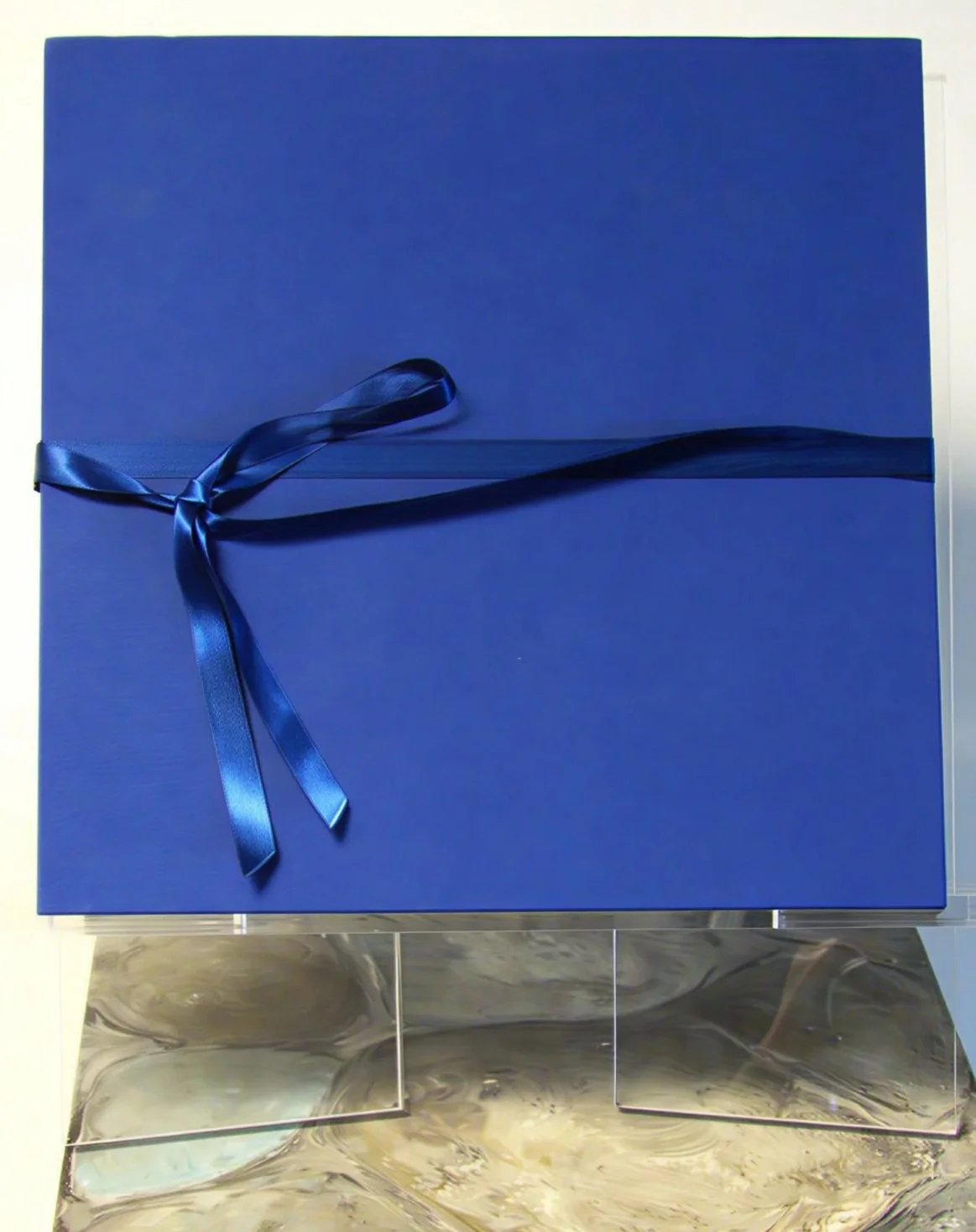
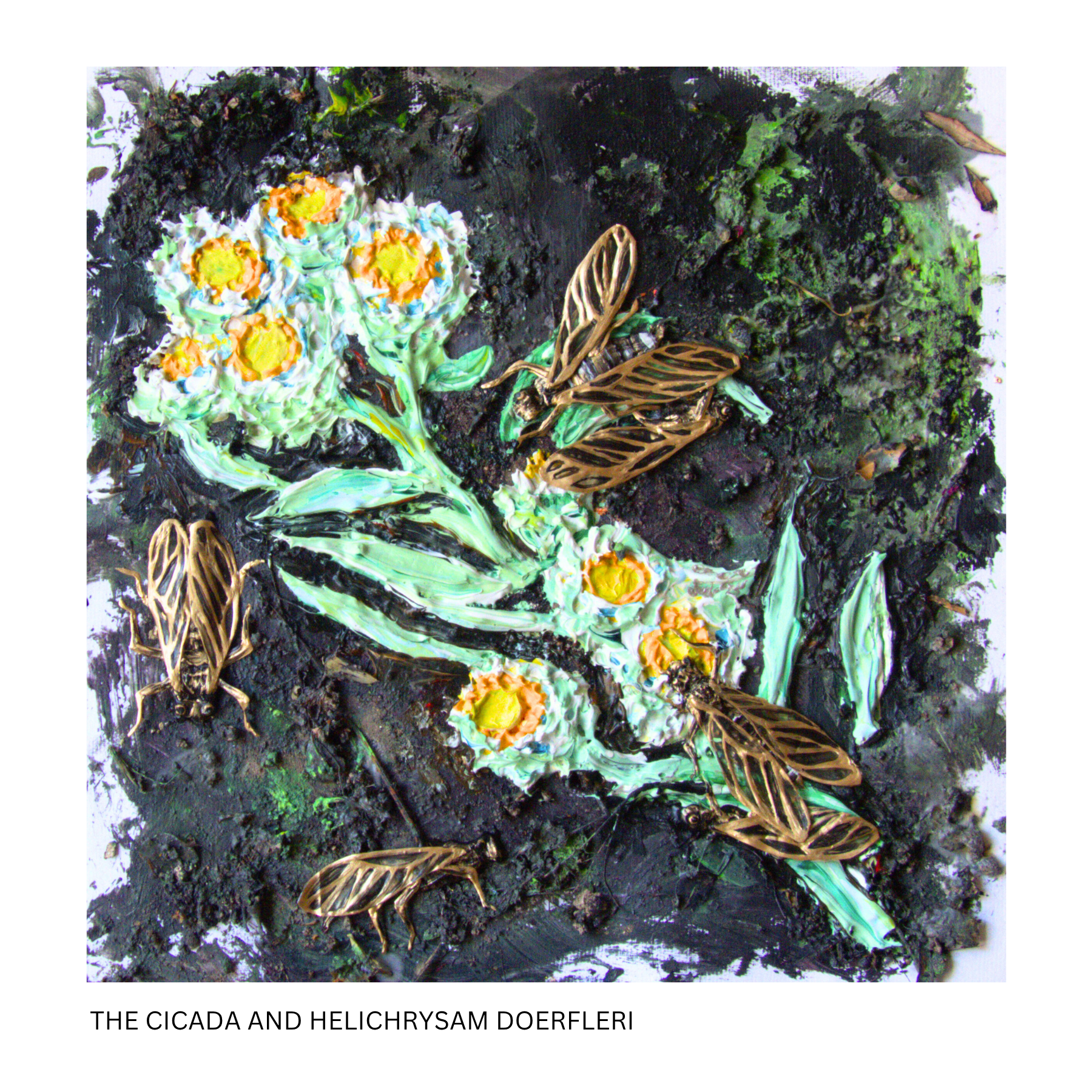
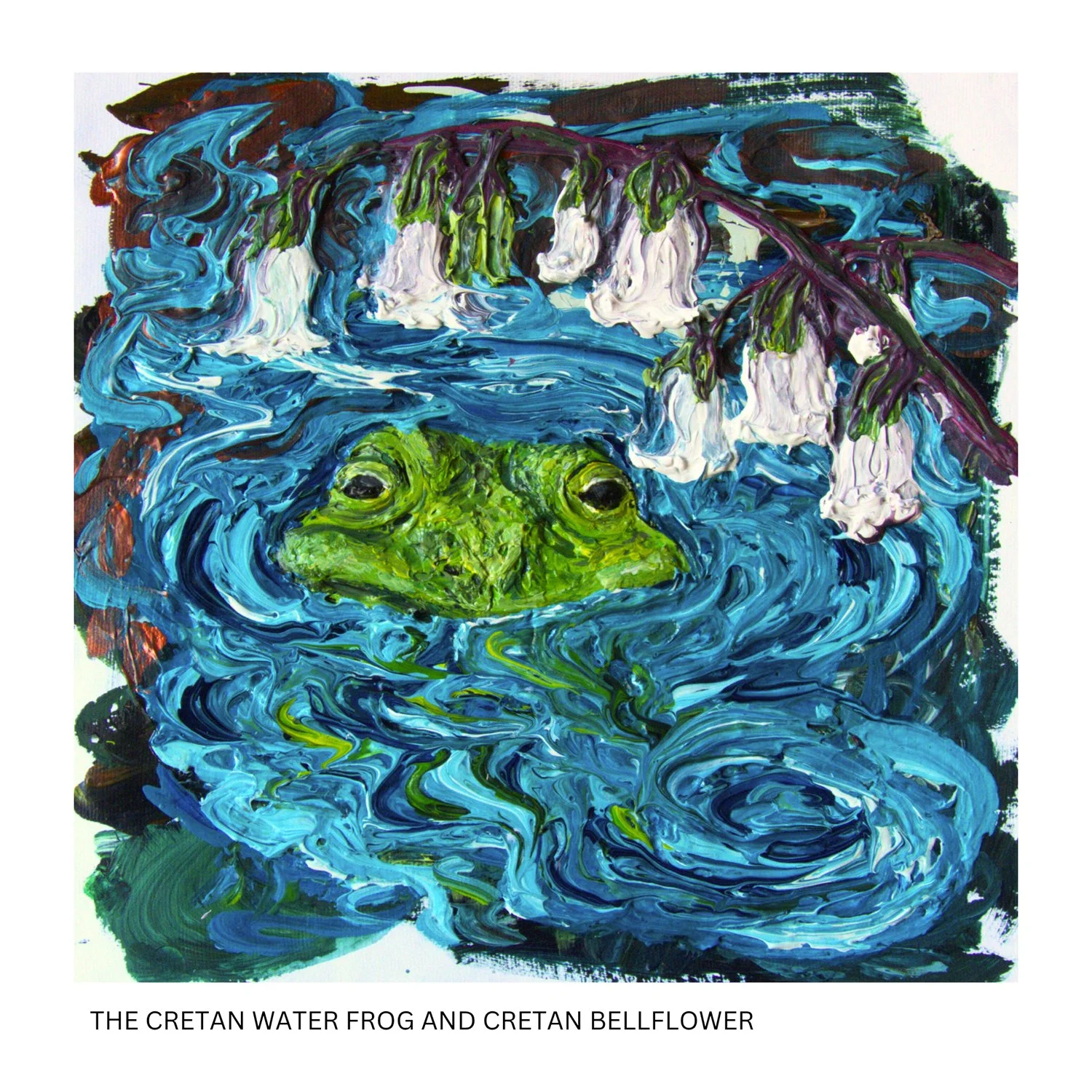
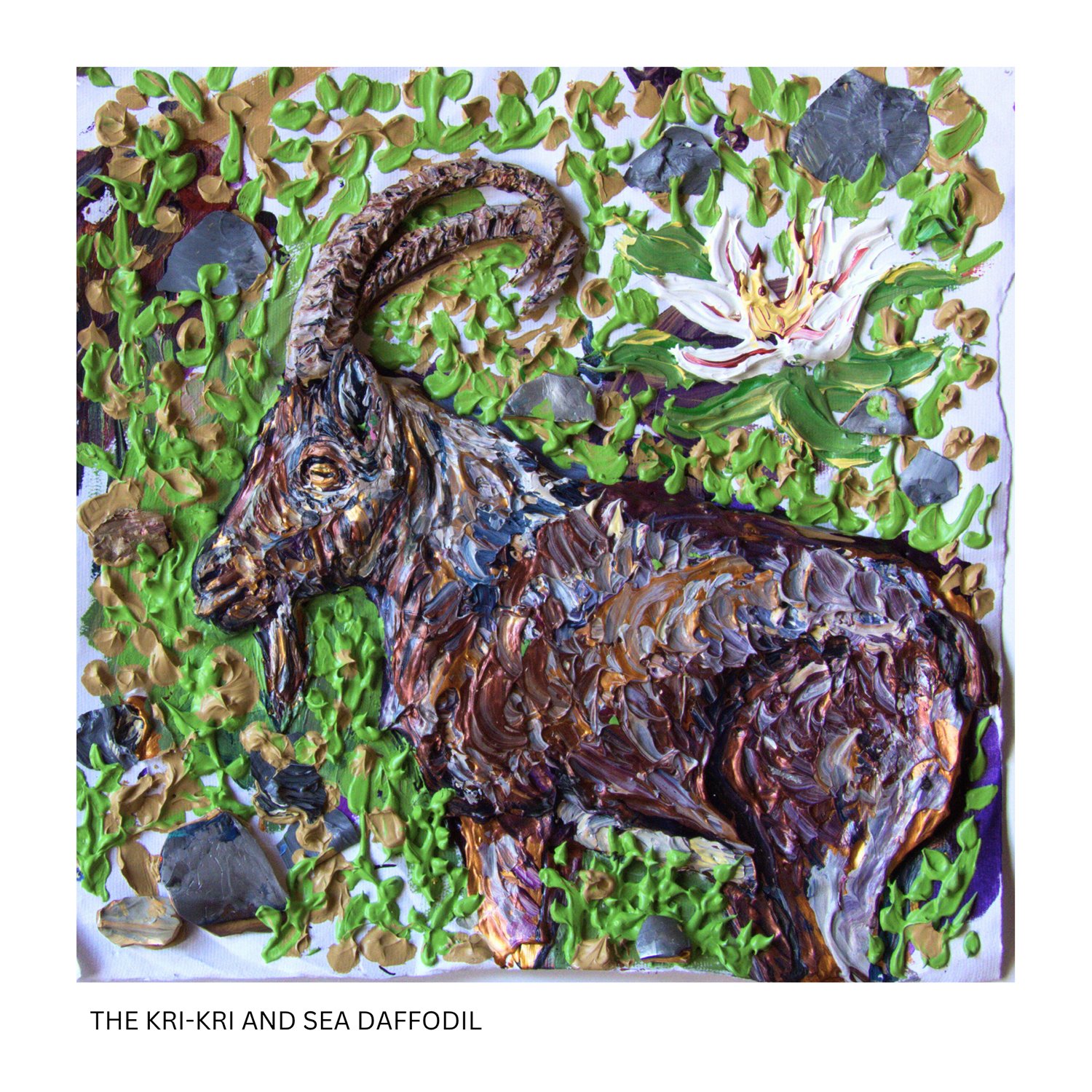
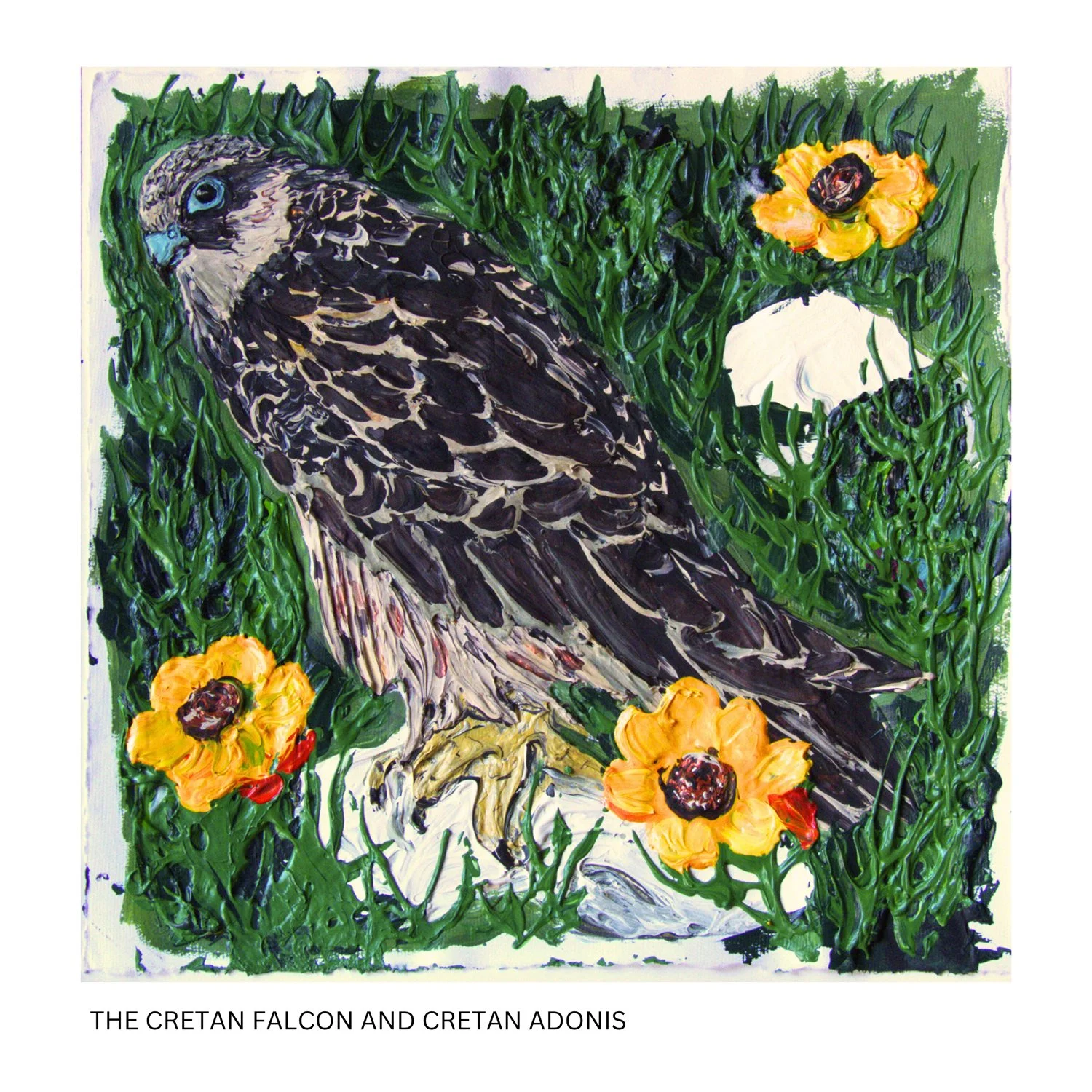
This book was created while at Mudhouse Residency, 2025, on the island of Crete, and contains 11 paintings celebrating the flora and fauna and culture of this unique paradise.